HUB 05 · Smoothies & Frozen
How to Make a Smoothie
Most smoothie failures are loading-order failures, not machine failures. Here is the order, the starting ratio, the reversal that applies to bullet blenders, and how to fix the three things that usually go wrong.
We earn a commission if you buy through our links. It does not change the price you pay, and it does not decide our picks — our selection criteria are published in full. How this works.
Put the liquid in first, then soft ingredients, then powders, then frozen fruit and ice on top. Start on the lowest speed and build up. Blend until the sound of the motor evens out and the surface stops moving in chunks. That order is most of the difference between a smoothie and a machine full of noise and untouched fruit.
Why the order matters more than the machine
A jar blender does not chop from the top down. It works by creating a vortex — liquid spins outward, is thrown up the wall, and falls back down the center onto the blades, dragging everything else with it. That loop is the entire mechanism. No liquid means no loop, and no loop means the blades carve a pocket of air and spin in it while everything above sits still.
So the liquid goes at the bottom, in contact with the blades, where it can start moving immediately. Frozen fruit and ice go on top, where their weight presses the rest down into the vortex once it forms. Load it the other way round — frozen fruit against the blades, liquid on top — and you have asked the motor to break a solid block from a standing start, which is where stalling, straining and burnt-smelling motors come from.
The order, in full
- Liquid.Milk, water, juice, yogurt, plant milk — whatever the base is.
- Soft and fresh. Banana, spinach, avocado, fresh berries, nut butter.
- Powders and seeds. Protein powder, oats, chia, cocoa. Between the wet layers, so they wet through instead of caking on the lid or the sides.
- Frozen and ice, last. On top, where they weigh the load down rather than block the blades.
Bullet blenders reverse this.A NutriBullet, Magic Bullet or Beast cup screws onto its base upside down, so the blade ends up at the top of what was the bottom of the cup. Load a bullet cup in the opposite order — frozen and hard ingredients in first, soft next, liquid last — and when you invert it onto the base, everything is in the right place. Almost every bullet-blender complaint about “it just spins” is this, and nothing else. Inverting the cup is also why these machines cope with frozen fruit better than their wattage suggests: gravity works on the blades’ side.
A ratio to start from
There is no rule here and anyone quoting one precisely is inventing it, but a workable starting point for a single serving is roughly one cup of liquid, one to one and a half cups of fruit of which at least half is frozen, and one handful of greens if you want them. Adjust from there: this is a preference, not a formula.
The one genuinely useful principle is that thickness comes from frozen ingredients, not from less liquid. Cutting the liquid to thicken a smoothie is how you stall the machine, because you are removing the thing the vortex is made of. Use frozen banana, frozen mango or frozen cauliflower instead, and keep the liquid where it is. That is also the difference between a drinkable smoothie and a smoothie bowl, which is thick enough to eat with a spoon and genuinely needs a machine with a tamper.
Start slow, then go
Ramping up matters. At low speed the liquid starts turning and the vortex forms; jumping straight to maximum throws everything to the walls before there is any circulation to catch it. On a machine with a fully variable dial, start at the bottom and turn it up over a few seconds. On a machine with presets, use the lowest one for two or three seconds before selecting the smoothie program.
Blend for longer than feels necessary. The most common cause of a gritty smoothie is simply stopping too early — forty to sixty seconds is normal for a full jar, and you can hear when it is done, because the motor note steadies as the load becomes uniform.
Fixing the three things that go wrong
It is gritty
Grittiness is un-blended fiber, seeds or ice. Blend longer first — that fixes it most of the time. If it does not, add a splash more liquid so the vortex can re-form, and make sure you are building speed rather than starting at maximum. Seeds from raspberries and blackberries will not break down in any domestic machine; if that texture bothers you, the answer is different fruit rather than a bigger motor. More on the texture question in best blenders for creamy smoothies.
It stalled, or it is just spinning
The load has lost contact with the blades. Stop the machine — do not keep pulsing a stalled motor, which is how small motors are destroyed. Add liquid, or push the load back down with a tamper if the machine has one, or take the jar off and shake it. Then restart from the lowest speed. If it happens every time, the recipe has too little liquid or too much frozen fruit for the machine.
It is too thin
Add frozen fruit rather than removing liquid. Frozen banana thickens more than anything else per spoonful; oats and chia thicken over a few minutes rather than instantly. Ice thickens and then dilutes as it melts, which is why frozen fruit beats ice for anything you are not drinking immediately.
Rinse it now, not later. Fill the empty jar a third with warm water, add a drop of dish soap, and run it for twenty seconds. Dried smoothie under a blade assembly is the hardest thing in a kitchen to remove and the most common reason a gasket starts leaking. Full method in how to clean a blender.
Does the machine matter at all?
Yes, but less than most roundups imply, and in specific ways. Technique closes most of the gap between a $100 machine and a $500 one on an everyday smoothie. Hardware starts to matter when the load gets difficult: a tamper and a fully variable dial are what let a machine finish a thick, low-liquid mixture that would stall anything else, which is why they show up on every premium machine and none of the cheap ones.
If you are choosing one, the ranked list is best blenders for smoothies. If frozen fruit is your main ingredient, see best blenders for frozen fruit, and if you are working to a budget, best blenders under $100 is where most people should start.
The hardware
The hardware this guide is about
The products this guide refers to, with prices pulled live from Amazon and dated on every card. Full rankings live in the roundups linked above.
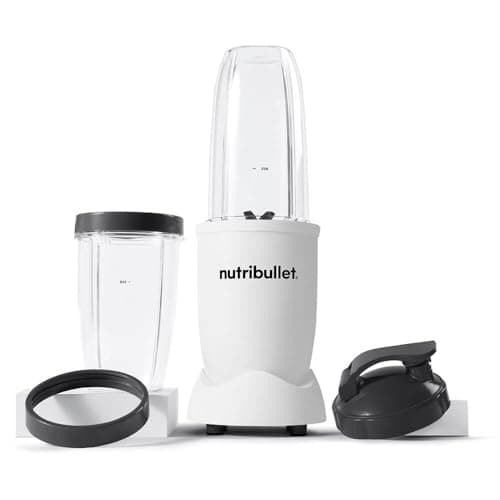
Everyday shakes
NutriBullet Pro (900 W)
The default bullet blender, and a good one. Note that NutriBullet's own product page contradicts itself about which cups are in the box.
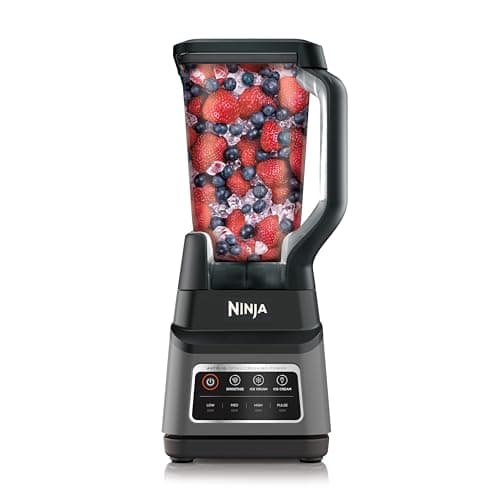
Most kitchens
Ninja Professional Plus BN701
The one brand here that publishes both a continuous and a peak wattage instead of only the flattering one. A large pitcher and real power for about a fifth of the premium price.
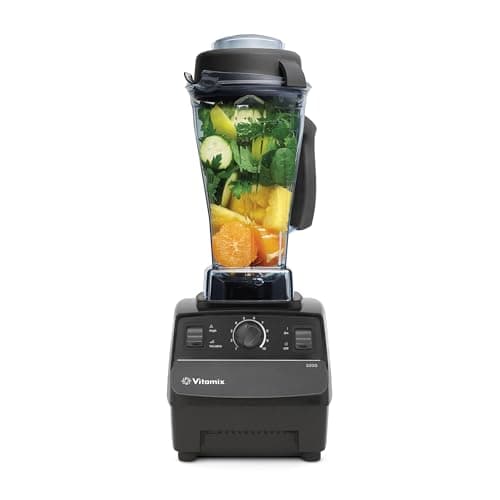
Buying once
Vitamix 5200
The seven-year warranty is the product. A machine with a fully variable dial, a tall narrow jar and a tamper, backed longer than almost anything else at any price.
#ad · As an Amazon Associate we earn from qualifying purchases.
Questions
Frequently asked
What order do you put ingredients in a blender?
Liquid first, then soft and fresh ingredients, then powders and seeds, then frozen fruit and ice on top. The liquid needs to be in contact with the blades so a vortex can form; the frozen weight on top presses everything down into it once it does.
Why is my smoothie not blending?
Almost always too little liquid, or frozen ingredients loaded against the blades. Stop the machine rather than pulsing it, add liquid, and restart from the lowest speed. In a bullet blender the loading order is reversed, because the cup goes on the base upside down.
How long should you blend a smoothie?
Forty to sixty seconds for a full jar is normal, and stopping too early is the most common cause of a gritty result. You can hear when it is done — the motor note steadies as the load becomes uniform.
How do you make a smoothie thicker?
Add frozen fruit rather than cutting the liquid. Removing liquid is what stalls the machine, because the vortex is made of it. Frozen banana thickens most per spoonful; oats and chia thicken gradually over a few minutes.
Do you need ice in a smoothie?
No, and frozen fruit is usually better. Ice thickens and chills but dilutes as it melts; frozen fruit does the same job while adding flavor instead of water. Use ice when you want the drink very cold and are drinking it straight away.
Keep reading
Related
- Blenders for smoothies and frozen drinksThe hub, with every smoothie ranking on the site.
- Best blenders for smoothiesThe ranked list, once technique is not the limiting factor.
- Best blenders for creamy smoothiesIf your problem is texture rather than method.
- How to clean a blenderThe twenty-second rinse that saves the gasket.
Receipts
Sources
- NutriBullet — Pro product page
- SharkNinja — Ninja Professional Plus BN701 specification table
- Vitamix — 5200 product page and specification table
- Vitamix — 7-Year Full Warranty terms
We do not run a testing lab and we do not pretend to. Specifications come from the manufacturer's own published documents and from published standards; prices come from the live Amazon API. Where a figure is not published, the page says “not published” rather than guessing. Read the full method.