Skip to content
BasketBlade

HUB 06 · Comparisons

Blender vs Juicer

One keeps the fiber, one throws it away. That single mechanical difference decides every other question, and it is why most people who ask this are really looking for a blender.

By Stephen V.Updated How we pick
#ad

We earn a commission if you buy through our links. It does not change the price you pay, and it does not decide our picks — our selection criteria are published in full. How this works.

The short answer

Quick picks

#ProductBest forScorePrice
01
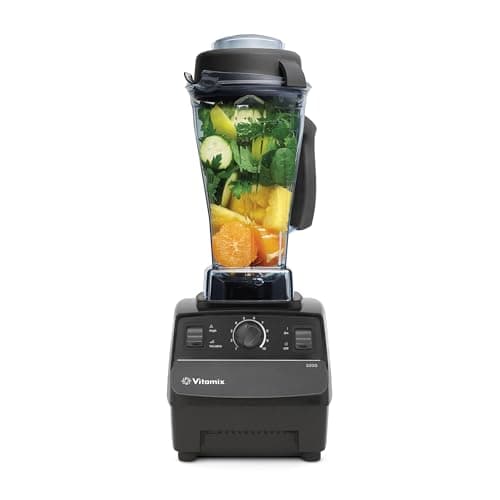
Vitamix Vitamix 5200
Vitamix 5200

The seven-year warranty is the product. A machine with a fully variable dial, a tall narrow jar and a tamper, backed longer than almost anything else at any price.

Buying once
8.2
$489.99Amazon
02
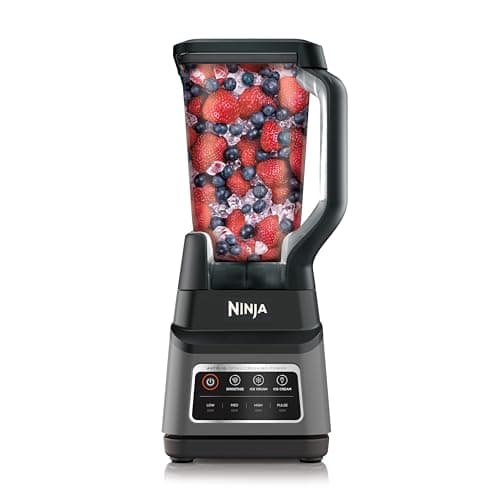
Ninja Ninja Professional Plus BN701
Ninja Professional Plus BN701

The one brand here that publishes both a continuous and a peak wattage instead of only the flattering one. A large pitcher and real power for about a fifth of the premium price.

Most kitchens
7.6
$94.95Amazon

#ad · Prices pulled live from the Amazon Product API, last checked Aug 7, 2026. Where we have no verified live price we show none — we would rather leave a gap than print a number that has gone stale. Scores are our own, compiled from published specs; they are not test results.

The difference is not power or price — it is what happens to the fiber. A blender liquefies the whole ingredient and keeps everything in the glass; a juicer separates the liquid from the pulp and throws the pulp away. Everything else about this decision follows from that one fact, and it is why most people who search “blender vs juicer” end up wanting a blender.

Which tool wins each job

A blender and a juicer are not substitutes; each wins a different set of jobs. This site covers blenders, so the specs above are the blenders we would reach for.
If you mostly want to make…Reach forBecause
Smoothies with frozen fruit, yogurt, protein powderA blenderIt liquefies the whole fruit and holds thick, cold, high-solids mixtures
Thin, pulp-free juice from carrots, celery, greensA juicerIt extracts the liquid and discards the fiber a blender would keep
Nut butter, dips, soup, batter, crushed iceA blenderA juicer does none of these; a blender is the more versatile tool by far
Maximum juice yield with the least fiberA juicerSeparating pulp is the one thing a blender cannot do
One machine that does the most jobsA blenderIt covers far more of a normal kitchen’s work

The fiber question is the whole question

A blend keeps the fruit intact — skin, pulp and all — so a smoothie carries the fiber that a juice leaves behind in the pulp bin. Which you want is a genuine preference, not a quality ranking: some people want the thinner, pulp-free drink a juicer makes, and a blender simply cannot separate pulp no matter how long it runs. But a blender is the more flexible machine, because it also makes soup, nut butter, batter, dips and frozen drinks, and a juicer makes juice and nothing else.

If the answer is a blender, which one

For most people the honest answer is a mid-range full-size blender, chosen on warranty and jar height rather than on wattage. The two above are the machines we would reach for: the Ninja BN701 for value and a large pitcher, the Vitamix 5200 if you also make thick, low-liquid mixtures and want a tamper and a long warranty. Both are ranked against the field on the high-power roundup, and the form-factor decision is laid out on the buying guide.

The decision rule

If you want the fiber, versatility and one machine that does the most jobs, buy a blender. If you specifically want thin, pulp-free juice and you are willing to own a single-purpose appliance and clean it, buy a juicer. If you are torn, buy the blender: it does far more, and you can strain a blend through a nut-milk bag for a rougher approximation of juice, but a juicer will never make you a smoothie or a soup.

In detail

The picks, in full

01
Vitamix Vitamix 5200

Buying once

Vitamix 5200

7-year full warrantyTamper includedLoud — no dB published
8.2/10

The seven-year warranty is the product. A machine with a fully variable dial, a tall narrow jar and a tamper, backed longer than almost anything else at any price.

Warranty
9.5
Thick loads
9
Frozen
9
Repairability
9
Value
6.5
Convenience
6

What it gets right

  • Seven-year full warranty covering parts, labor and shipping both ways — the longest term on any machine in this list except the Ascent line
  • Fully variable speed dial rather than fixed presets, which is what makes thick, low-liquid mixtures workable
  • Tall narrow 64 oz jar plus a tamper: the combination that actually beats cavitation on frozen loads
  • Vitamix publishes and sells replacement parts, so a failure after year seven is a repair rather than a write-off

What it doesn't

  • No presets, no timer, no self-clean cycle — you are paying for the motor and the warranty, not features
  • Vitamix publishes no decibel figure, and this class of machine is genuinely loud
  • The 64 oz jar is tall; measure your worktop-to-cabinet clearance before buying

What it costs to run

About $4.39 a year in electricity, at 3 minutes a day, 365 days a year and 17.45¢ per kWh.

Vitamix publishes no watt figure for the 5200. This is 11.5 A x 120 V from the nameplate rating on Vitamix's own specification table — our arithmetic on their published numbers, shown so you can check it. The full arithmetic is published.

Skip this if…

your honest use is a smoothie four times a week — the seven-year warranty is most of what you are paying for here, and a hundred-dollar machine will make that smoothie indistinguishably well.

$489.99on Amazon

Price last checked Aug 7, 2026. Prices move constantly — Amazon's at checkout is the one that counts.

#ad · we may earn a commission from this link to Vitamix 5200

02
Ninja Ninja Professional Plus BN701

Most kitchens

Ninja Professional Plus BN701

Publishes continuous watts1-year warranty
7.6/10

The one brand here that publishes both a continuous and a peak wattage instead of only the flattering one. A large pitcher and real power for about a fifth of the premium price.

Warranty
4
Thick loads
6.5
Frozen
8
Capacity
9
Value
9.5
Convenience
8.5

What it gets right

  • Publishes a continuous wattage as well as a peak one, which almost nobody else in this list does — it makes the machine genuinely comparable
  • 64 oz of usable liquid capacity, enough for a family batch in one go
  • Auto-iQ programs stop on their own, which matters more than it sounds when you are doing something else
  • Costs roughly a fifth of the premium machines and does the everyday smoothie job

What it doesn't

  • One year of warranty against Vitamix's seven — the clearest expression in this whole category of what the price difference actually buys
  • No tamper, so a thick low-liquid load has to be managed by stopping and scraping
  • Stacked blade assembly is more surfaces to wash than a single fixed blade

What it costs to run

About $3.82 a year in electricity, at 3 minutes a day, 365 days a year and 17.45¢ per kWh.

Ninja publishes both figures separately — 1,200 watts continuous and 1,400 watts peak. We use the continuous number for the running-cost arithmetic because that is what the motor actually draws in use. The full arithmetic is published.

Skip this if…

you make nut butter or thick smoothie bowls regularly — without a tamper you will spend the session stopping, scraping and restarting, and the one-year warranty is not much comfort under that kind of load.

$94.95on Amazon

$99.995% off

Price last checked Aug 7, 2026. Prices move constantly — Amazon's at checkout is the one that counts.

#ad · we may earn a commission from this link to Ninja Professional Plus BN701

How we picked

Blenders we claim to have tested: 0

Every site in this category tells you they blended twenty smoothies. We have not blended any, and we say so. Here is what we do instead: read the manufacturer's manual and spec sheet, record the published motor rating, jar capacity and warranty term, verify the warranty against the manufacturer's own warranty document, work out what the machine costs to run for a year and show the arithmetic, and cite all of it so you can check the work. Prices come live from Amazon's API and disappear rather than go stale.

The scores above are judgments from that documented research — not test results. The full rubric, including what disqualifies a product, is published in full.

Questions

Frequently asked

What is the difference between a blender and a juicer?

A blender liquefies the whole ingredient and keeps the fiber in the glass; a juicer extracts the liquid and discards the pulp. A blender makes smoothies, soup, nut butter and frozen drinks; a juicer makes thin, pulp-free juice and nothing else. The fiber is the core difference and it decides everything downstream.

Can a blender make juice?
Not true pulp-free juice — a blender keeps the fiber rather than separating it. You can blend fruit and strain it through a nut-milk bag for a rough approximation, but if a thin, pulp-free juice is the goal, that is the one job a juicer does and a blender does not.
Which is more versatile for one kitchen?
A blender, by a wide margin. It makes smoothies, soup, nut butter, batter, dips and frozen drinks, while a juicer only makes juice. For most households wanting a single machine, the blender is the more useful buy.

Keep reading

Receipts

Sources

We do not run a testing lab and we do not pretend to. Specifications come from the manufacturer's own published documents and from published standards; prices come from the live Amazon API. Where a figure is not published, the page says “not published” rather than guessing. Read the full method.