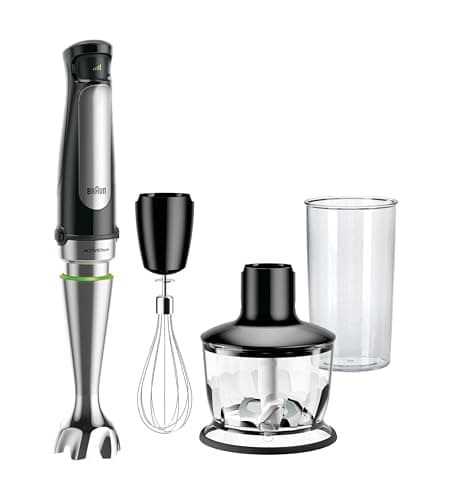
Buy the Braun MultiQuick 7 if cleaning is genuinely your deciding factor. There is one thing to wash, it is a stainless shaft, it goes under a running tap, and you blended in the pan so there is no second vessel at all. If you need a full-size pitcher, the Vitamix Ascent X3 is the pick: it is the only machine in our catalogue whose manufacturer publishes a self-cleaning program as a specification, and its blade is fixed, so nothing unscrews and nothing has to be scrubbed around.
Cleanability is not a soft preference. It is the single best predictor of whether an appliance gets used, and it is decided entirely by hardware you choose at purchase. Three things do the deciding, and watts is not one of them.
The three things that decide how hard a blender is to wash
Part count
Count the pieces that touch food and come apart. A stick blender: one shaft. A sealed bullet cup: two, the cup and the blade, and you drink from the cup so there is no glass to wash afterwards either. A full-size pitcher: jar, lid, lid plug, and on many machines a blade assembly plus a sealing gasket plus a threaded collar. That is six surfaces versus one, every single time you blend.
Fixed blade or removable blade
A fixed blade is a cleaning feature, which is the opposite of how it gets marketed. If the blade does not come out, there is no collar to unthread, no gasket to lose, and no hidden ledge under the blade where residue dries. The price is that when it eventually dulls or the bearing goes, you replace the container rather than the blade — which is exactly why the brands with fixed blades are also the brands that sell replacement containers.
A removable blade is better for one job: a thick residue you need to physically reach, like nut butter. That is the trade, and it is a narrow one.
A published cleaning program
The self-clean trick — warm water, a drop of dish soap, run it — works on any machine with enough power, and we walk through it properly on how to clean a blender. But there is a difference between a trick that works and a manufacturer publishing a timed program for it. Exactly one machine in our catalogue does: the Ascent X3 lists three blending programs plus a self-cleaning program on its own specification page. Everything else is you holding a dial.
Who each pick is for
- Braun MultiQuick 7 — for the person who hates washing up more than they want a pitcher. One shaft, under the tap, nothing else dirtied because you blended in the pan. Three covered years.
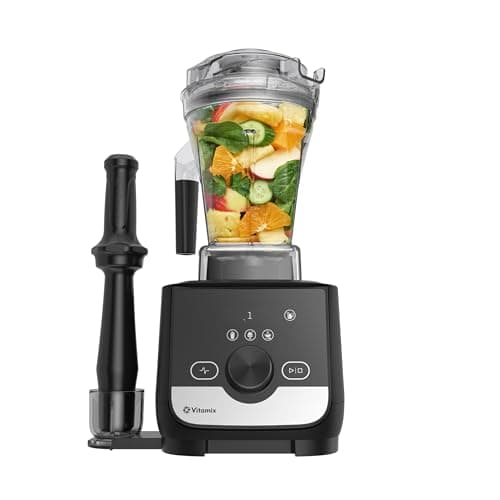
- Vitamix Ascent X3 — for the person who needs a real full-size machine and wants the cleaning handled by the machine. Published self-cleaning program, fixed blade, no collar to unscrew, ten years full warranty.
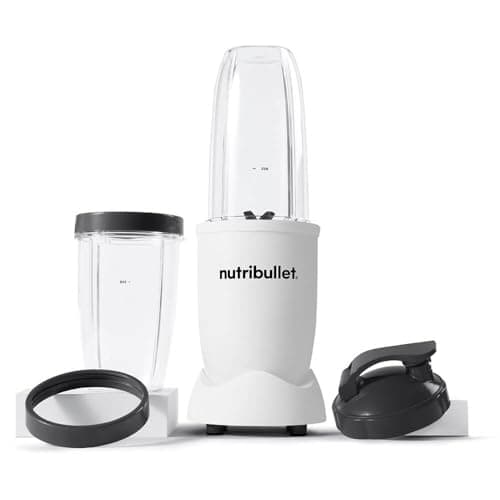
- NutriBullet Pro (900 W) — for the person whose blend is a single serving. Two parts, and you drink from the cup you blended in, so the real-world washing up is one cup and one blade.
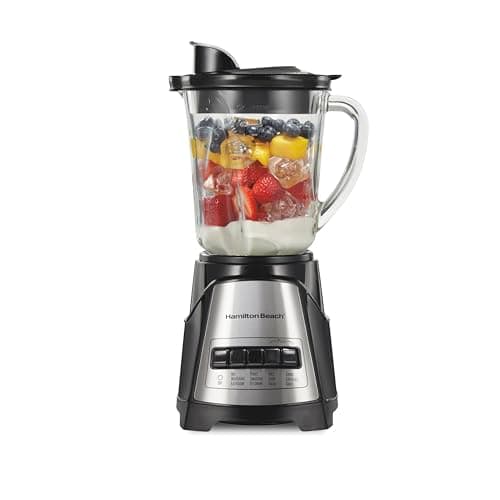
- Hamilton Beach Power Elite Wave Action — for the person who wants a dishwasher to do it. Glass jar, so no clouding and no odour to chase, and a hot cycle cannot hurt it. Low power is the trade.
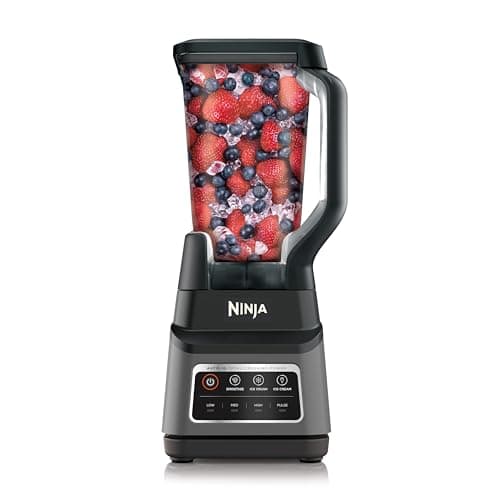
- Ninja Professional Plus BN701 —for the person who wants capacity and power first and accepts the washing up that comes with it. It is ranked last here because of something Ninja’s own specification implies and we list as its con: the stacked blade assembly is more surfaces to wash than a single fixed blade.
The five, side by side
Part counts are of the pieces that touch food and separate for washing, read from each maker’s published description of the machine. Every other cell traces to the source list at the foot of this page. | Parts to wash | Blade | Cleaning program published? | Warranty |
|---|
| Braun MultiQuick 7 MQ7035X | One — the shaft | Fixed, in the bell | No — and it does not need one | 3 years |
|---|
| Vitamix Ascent X3 | Three — container, lid, lid plug | Fixed; does not come apart | Yes — self-cleaning program, on the spec page | 10 years, full |
|---|
| NutriBullet Pro (900 W) | Two — cup and blade; you drink from the cup | Removable, threaded | No | 1 year |
|---|
| Hamilton Beach Power Elite Wave Action | Three or four — glass jar, lid, blade assembly | Removable | No | 3 years US; 5 in Canada |
|---|
| Ninja Professional Plus BN701 | Four plus — pitcher, lid, stacked blade assembly | Removable stacked tower, multiple tiers | No | 1 year limited |
|---|
The cleaning problems that are not about the machine
Two of the three things people mean by “hard to clean” are not hardware problems at all, and buying a different blender will not fix them.
Dried-on residue is a timing problem. Anything blended rinses out in five seconds and sets like grout in five hours. No machine on this page is easy to clean once a smoothie has dried in it, and the most expensive one is not easier than the cheapest.
Retained odour and permanent cloudiness are material problems. Plastic absorbs garlic, onion and spice and hazes under ice and dry grinding; glass does neither. That is a jar-material decision rather than a part-count one, and the two machines in our catalogue that publish a glass jar are ranked on best blenders with glass jars.
The third — the gasket— is genuinely hardware, and it is the hidden cost of a removable blade. A threaded collar with a rubber seal has to come apart periodically or it will start to smell and eventually to leak, and a seal seated wrong after washing is the single most common cause of a leaking blender. If yours already leaks, the diagnosis is on why your blender is leaking.
What we are not going to tell you
We have not washed any of these machines, and we publish no time-to-clean figure, no residue score and no number of dishwasher cycles survived, because we have no lab and no manufacturer publishes any of it. What this ranking is built from is each maker’s own description of what the machine is made of and what comes apart, the one published cleaning program in the catalogue, and the part counts that follow from those descriptions. The method is published in full.
Four checks before you buy for cleanability
1. Count the pieces in the product photo
Manufacturers photograph everything in the box. Count what touches food: jar, lid, lid plug, blade, gasket, collar, cups. That count is how many things you will wash, and it does not change over the life of the machine. Two pieces versus six is the whole decision.
2. Find out whether the blade comes out — and decide if you want it to
A fixed blade is less to clean and less to lose. A removable one lets you reach thick residue. If you make nut butter or thick smoothie bowls, take the removable blade; the ranking for that load is on best blenders for nut butter. For everything else, fixed is easier.
3. Check what the maker says is dishwasher safe, part by part
Not “the blender” — the jar, the lid and the blade individually, because makers routinely rate them differently, and a motor base is never dishwasher safe on any machine. Glass jars are the least fussy about a hot cycle. The per-part picture and the hand-wash argument are on how to clean a blender.
4. Be honest about whether you will rinse it immediately
If you will, part count matters less than you think and you should buy on power and warranty instead. If you know yourself well enough to know you will leave it in the sink until evening, buy the lowest part count you can live with and a jar material that forgives you. That is the realistic version of this decision, and it is why the stick blender is first.