HUB 07
Blender Guides
The questions that decide a purchase, answered in the first sixty words and then properly. This is where the running-cost arithmetic lives, along with the safety guidance that the manuals bury on page four.
We earn a commission if you buy through our links. It does not change the price you pay, and it does not decide our picks — our selection criteria are published in full. How this works.
Start here
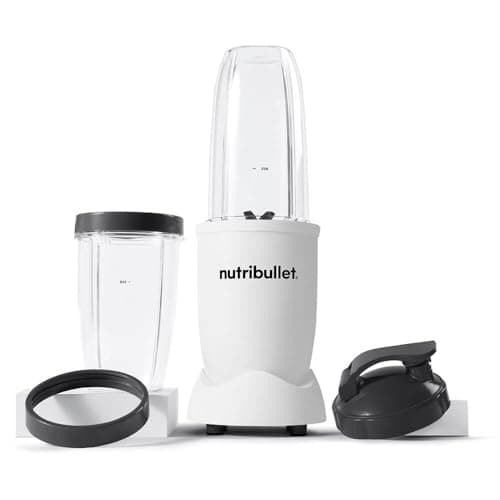
The Best Blender Gifts Under $100
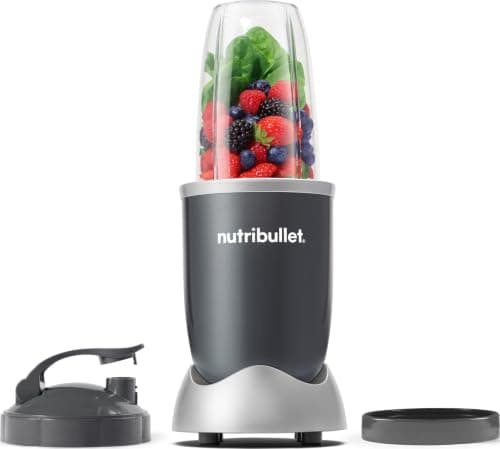
Our top pick: NutriBullet Pro (900 W) — The default bullet blender, and a good one. Note that NutriBullet's own product page contradicts itself about which cups are in the box.
These are the questions that block a purchase or follow one, answered directly in the first few dozen words and then properly. No preamble about the history of the blender, no recipe you did not ask for above the answer you did.
The running-cost guide is the one nobody else has
Across the publishers surveyed for this site, not one showed what a blender costs to run. It is a simple calculation and the inputs are all public, so the absence is not a difficulty problem — it is that nobody bothered. Our version shows the arithmetic in full, names the electricity rate it uses and where that rate came from, and gives you the substitution so you can redo it with your own tariff and your own habits. The conclusion is reassuring rather than alarming, which is precisely why it deserves publishing: knowing a number is small is as useful as knowing it is large, and it stops power draw being used as a selling point it does not deserve to be.
The safety guides cite a manual for every claim
Blending hot liquid in a sealed jar has genuinely injured people. It is a pressure problem, not a heat problem: steam expands under a clamped lid until the lid leaves. Manufacturers address this in their manuals with specific fill limits and venting instructions, and those instructions differ between machines in ways that matter. Our hot-liquid guide cites a manufacturer document for every safety claim it makes rather than paraphrasing general advice, because on this topic being approximately right is not good enough.
The technique guides exist because the manual is unread
A surprising amount of blender disappointment is a technique problem wearing a hardware costume. Loading order, liquid ratio, batch size and run time change the result more than two hundred watts does, and all of it is in the manual that came in the box, on a page nobody opened. Guides on making nut butter and on frozen drinks lead with the method, then tell you honestly which machines make the method easier — in that order, because if technique solves your problem you should not have to buy anything.
The buying guide is about not overbuying
Most buying guides in this category are a ladder pointing upward. Ours starts from your actual cooking and is willing to end at a hundred dollars. The section that matters most is the one that names the two or three situations that genuinely justify a premium machine — sustained thick loads, hot work, and a decade-long horizon — so that everyone whose situation is not on that list can stop reading and go and buy something reasonable.
What every guide here has in common
A byline that belongs to a person, a visible publication and update date, sources listed at the bottom, and no claim of having tested anything. Where a fact is not published anywhere, the guide says so rather than filling the gap. That standard is written out on the methodology page, along with how we would correct an error if you find one — and we would rather you did.
Everything in this hub
All of Guides
Roundup
The Best Blender Gifts Under $100
The under-$100 gifts that get used: a daily-shake bullet, a pitcher-and-cups combo, a portable for the gym bag. Matched to the person, with live prices.
Top pick: NutriBullet Pro (900 W) · 6 ranked, 6 with live prices
$79.99on Amazon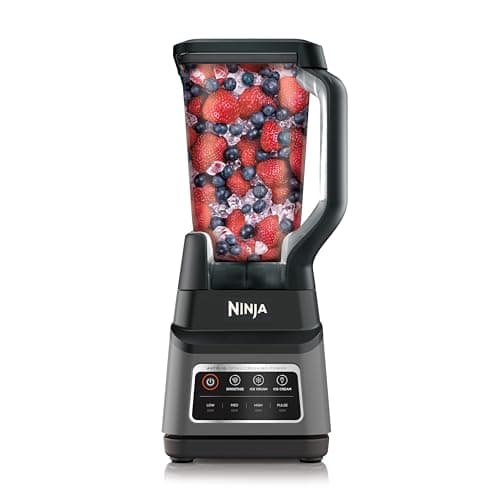
Roundup
The Best Blender Gifts Under $200
The documented all-rounder, the cook's stick blender with a three-year warranty, the premium bullet. Under $200, sorted by recipient, with live prices.
Top pick: Ninja Professional Plus BN701 · 6 ranked, 6 with live prices
$89.99on Amazon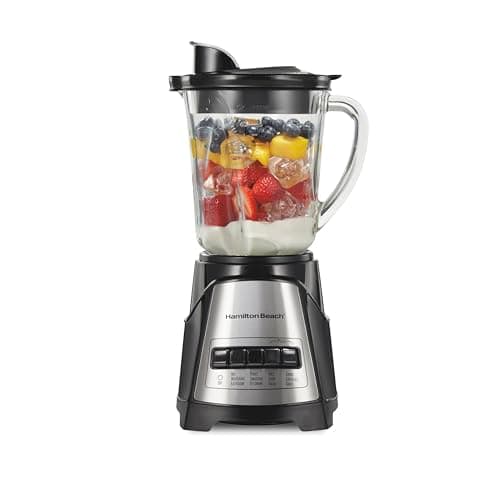
Roundup
The Best Blender Gifts Under $50
The stocking-filler tier, honestly: a glass-jar machine with a three-year warranty, a small bullet, and a chopper that makes milkshakes. Which suits whom.
Top pick: Hamilton Beach Power Elite Wave Action · 3 ranked, 3 with live prices
$39.95on AmazonRoundup
The Best Gifts for Smoothie Lovers
For the smoothie person: matched to one cup or a batch, fresh or frozen, home or gym bag. Six machines with live prices and an honest miss for each.
Top pick: Ninja Professional Plus BN701 · 6 ranked, 6 with live prices
$89.99on Amazon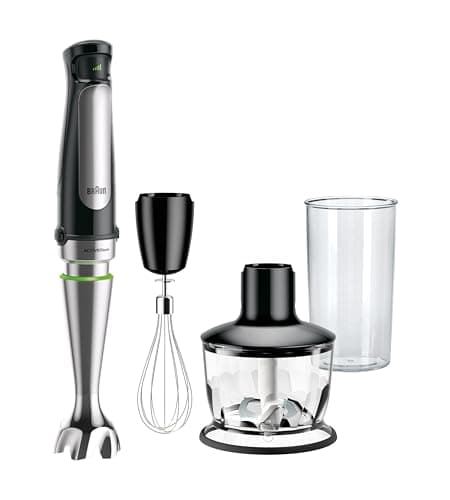
Roundup
The Best Blender Gifts for Home Cooks
For the cook: the three-year-warranty stick with a chopper in the box, the vented bell, the all-metal stick, and the two countertop machines that handle hot soup.
Top pick: Braun MultiQuick 7 MQ7035X · 5 ranked, 5 with live prices
$109.95on AmazonGuide
How to Clean a Blender
The twenty-second rinse that prevents most blender problems, plus stains, smells, and the part underneath the blades nobody cleans.
Covered here: Hamilton Beach Power Elite Wave Action
$39.95on AmazonGuide
Glass vs Plastic Blender Jars
Glass wins on odor, clouding and the dishwasher; plastic wins on weight and on surviving high-power loads. Which catalog machines have glass, what Vitamix and Ninja actually use, and the honest trade-off.
Covered here: Hamilton Beach Power Elite Wave Action
$39.95on Amazon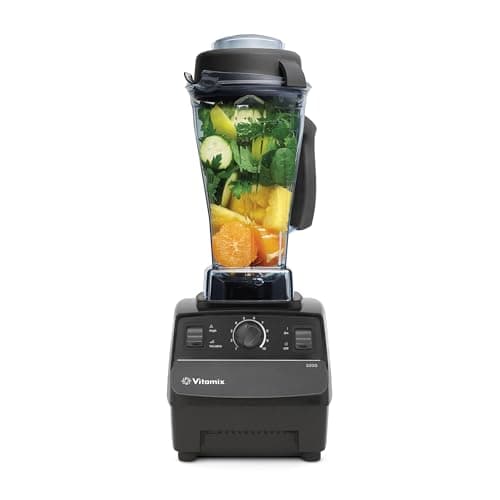
Guide
How Long Do Blenders Last?
No manufacturer publishes a service life; the warranty term is the only longevity figure in writing, and it runs from one year to seven. What wears out first, which brands sell the parts, and when to repair rather than replace.
Covered here: Vitamix 5200
$474.99on Amazon
Filed elsewhere, written for you
Also worth reading
These live under a different section of the site but answer the same question a guides buyer is actually asking.
Comparisons
Ninja BN701 vs Vitamix 5200
Ninja publishes 1,200 watts continuous and 1,400 watts peak. Vitamix publishes no watt figure at all for the 5200 — only 2 HP and an 11.5 amp nameplate. The decisive published difference is the warranty: one year against seven.
Top pick: Ninja Professional Plus BN701
$89.99on Amazon