Skip to content
BasketBlade

HUB 06 · Comparisons

Bullet Blender vs Regular Blender

One is a cup you drink from, one is a jar you pour from. The format decides more than the brand or the wattage, and getting it right is the difference between loving and resenting the machine.

By Stephen V.Updated How we pick
#ad

We earn a commission if you buy through our links. It does not change the price you pay, and it does not decide our picks — our selection criteria are published in full. How this works.

The short answer

Quick picks

#ProductBest forScorePrice
01
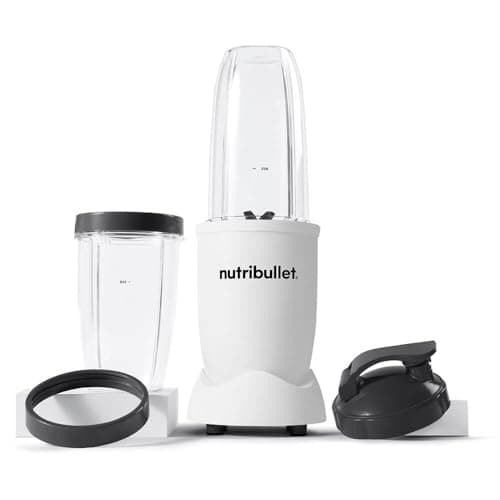
NutriBullet NutriBullet Pro (900 W)
NutriBullet Pro (900 W)

The default bullet blender, and a good one. Note that NutriBullet's own product page contradicts itself about which cups are in the box.

Everyday shakes
7.4
$79.99Amazon
02
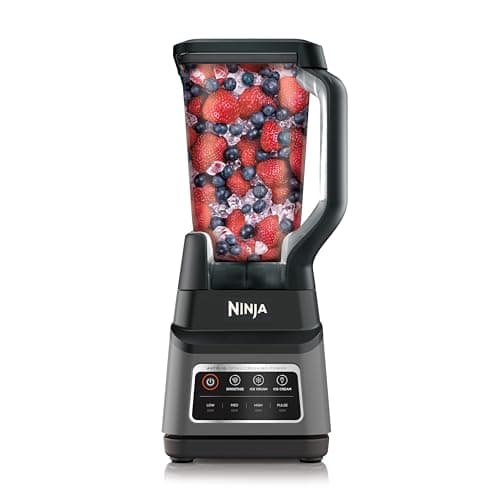
Ninja Ninja Professional Plus BN701
Ninja Professional Plus BN701

The one brand here that publishes both a continuous and a peak wattage instead of only the flattering one. A large pitcher and real power for about a fifth of the premium price.

Most kitchens
7.6
$94.95Amazon

#ad · Prices pulled live from the Amazon Product API, last checked Aug 7, 2026. Where we have no verified live price we show none — we would rather leave a gap than print a number that has gone stale. Scores are our own, compiled from published specs; they are not test results.

A bullet blender and a full-size blender are different tools that happen to both make smoothies. A bullet is a single-serve cup you invert onto a motor base and drink from; a regular blender is a full-size jar you pour from, usually with a tamper. Almost every disappointment in this category is buying the wrong one of these two, so this is the decision to get right before you look at any brand.

The two formats, side by side

Published specBullet blender (NutriBullet Pro)Regular blender (Ninja BN701)
VesselTwo 32 oz cups you drink from72 oz pitcher, 64 oz liquid
Motor900 watts, unlabeled1,200 W continuous; 1,400 W peak
Batch sizeOne servingA family at once
Thick loads (nut butter, bowls)No — narrow cup, no tamperBetter, though still no tamper on this model
Drink-and-goYesNo — you pour into a glass
Worktop footprintSmallLarge and tall — measure your cabinet gap

What the bullet does better

It makes one serving and you drink it from the vessel you blended in, then screw a lid on and leave. That is the whole appeal, and nothing about a full-size machine matches it for a weekday morning. The inverted cup also puts gravity on the blades’ side, which is the mechanical reason a bullet handles frozen fruit better than its wattage predicts. It is small, cheap to replace, and cleans in seconds.

What the full-size machine does better

Everything that involves volume or thickness. A 64 oz pitcher makes a family batch in one go; a bullet would need three refills and a burned-out motor. A full-size machine handles crushed ice with liquid, hot soup, batter and — on a tamper-equipped model — nut butter and thick bowls, none of which a narrow single-serve cup can do. The catch is size: a full-size machine is tall enough to need a cabinet-clearance check before you buy.

The overlap, and how to think about it

Both make a drinkable smoothie with frozen fruit, so if that is genuinely all you make, the bullet wins on convenience and price. The moment you regularly make more than one serving, or anything thick, or want to blend something hot, the full-size machine is the right tool and the bullet becomes a frustration. Some people end up owning both for exactly this reason, and a pitcher-plus-cups combo — covered on Ninja vs NutriBullet— is the one-base compromise.

The decision rule

Buy the bullet if your honest use is one shake or smoothie at a time, drunk from the cup, with frozen fruit at worst. Buy the regular blender if you make batches, thick mixtures, or hot food, or if you are cooking for more than one person. If you need both jobs and one footprint, a combo base is the answer rather than either format alone.

In detail

The picks, in full

01
NutriBullet NutriBullet Pro (900 W)

Everyday shakes

NutriBullet Pro (900 W)

Blend-and-go cupCups not covered by warranty
7.4/10

The default bullet blender, and a good one. Note that NutriBullet's own product page contradicts itself about which cups are in the box.

Warranty
3.5
Frozen
7.5
Convenience
9.5
Cleaning
8
Value
8.5

What it gets right

  • Inverted cup design puts gravity on the blades' side, which is genuinely why bullet blenders handle frozen fruit better than their wattage suggests
  • You drink from the vessel you blended in — the entire reason to own one
  • Replacement cups, lids and blade assemblies are widely sold, which matters because the gasket is the usual failure
  • 900 W is real power for a single serving

What it doesn't

  • One-year warranty, and it explicitly excludes the cups and accessories — the parts that actually fail
  • Two 32 oz cups and nothing smaller, so a single modest shake is blended in a vessel bigger than it needs
  • Sealed cup: not for hot liquid, and the manual says so

What it costs to run

About $2.87 a year in electricity, at 3 minutes a day, 365 days a year and 17.45¢ per kWh.

NutriBullet publishes '900 watts of power' with no peak or continuous qualifier, and lists a 900 W motor base in the box contents. We take it at face value and note the absence of a qualifier. The full arithmetic is published.

Skip this if…

you make anything thick — nut butter, low-liquid smoothie bowls, dough. The narrow cup gives a thick mixture nowhere to move and the motor nowhere to cool.

$79.99on Amazon

$99.9920% off

Price last checked Aug 7, 2026. Prices move constantly — Amazon's at checkout is the one that counts.

#ad · we may earn a commission from this link to NutriBullet Pro (900 W)

02
Ninja Ninja Professional Plus BN701

Most kitchens

Ninja Professional Plus BN701

Publishes continuous watts1-year warranty
7.6/10

The one brand here that publishes both a continuous and a peak wattage instead of only the flattering one. A large pitcher and real power for about a fifth of the premium price.

Warranty
4
Thick loads
6.5
Frozen
8
Capacity
9
Value
9.5
Convenience
8.5

What it gets right

  • Publishes a continuous wattage as well as a peak one, which almost nobody else in this list does — it makes the machine genuinely comparable
  • 64 oz of usable liquid capacity, enough for a family batch in one go
  • Auto-iQ programs stop on their own, which matters more than it sounds when you are doing something else
  • Costs roughly a fifth of the premium machines and does the everyday smoothie job

What it doesn't

  • One year of warranty against Vitamix's seven — the clearest expression in this whole category of what the price difference actually buys
  • No tamper, so a thick low-liquid load has to be managed by stopping and scraping
  • Stacked blade assembly is more surfaces to wash than a single fixed blade

What it costs to run

About $3.82 a year in electricity, at 3 minutes a day, 365 days a year and 17.45¢ per kWh.

Ninja publishes both figures separately — 1,200 watts continuous and 1,400 watts peak. We use the continuous number for the running-cost arithmetic because that is what the motor actually draws in use. The full arithmetic is published.

Skip this if…

you make nut butter or thick smoothie bowls regularly — without a tamper you will spend the session stopping, scraping and restarting, and the one-year warranty is not much comfort under that kind of load.

$94.95on Amazon

$99.995% off

Price last checked Aug 7, 2026. Prices move constantly — Amazon's at checkout is the one that counts.

#ad · we may earn a commission from this link to Ninja Professional Plus BN701

How we picked

Blenders we claim to have tested: 0

Every site in this category tells you they blended twenty smoothies. We have not blended any, and we say so. Here is what we do instead: read the manufacturer's manual and spec sheet, record the published motor rating, jar capacity and warranty term, verify the warranty against the manufacturer's own warranty document, work out what the machine costs to run for a year and show the arithmetic, and cite all of it so you can check the work. Prices come live from Amazon's API and disappear rather than go stale.

The scores above are judgments from that documented research — not test results. The full rubric, including what disqualifies a product, is published in full.
Questions

Frequently asked

Is a bullet blender or a regular blender better?

Neither — they fit different lives. A bullet blender is a single-serve cup you drink from, unbeatable for a morning shake. A regular blender does batches, thick loads like nut butter, crushed ice and hot soup. Buy the bullet for one serving at a time; buy the full-size machine the moment volume, thickness or hot work is involved.

Can a bullet blender replace a full-size one?
Only if you exclusively make single servings. A bullet cannot handle a family batch, thick low-liquid mixtures, or hot soup — the narrow cup and lack of a tamper rule those out. For anything beyond one drinkable smoothie at a time, a full-size machine is the right tool.
Do bullet blenders handle frozen fruit as well as full-size ones?
For a single serving, surprisingly well — the inverted cup puts gravity on the blades' side, so a 900-watt bullet blends frozen fruit better than the number suggests. But it cannot scale: a full-size machine does a whole pitcher of frozen fruit at once, where a bullet would need multiple refills.

Keep reading

Receipts

Sources

We do not run a testing lab and we do not pretend to. Specifications come from the manufacturer's own published documents and from published standards; prices come from the live Amazon API. Where a figure is not published, the page says “not published” rather than guessing. Read the full method.