HUB 03
Personal and Portable Blenders
Single-serve machines bought for one job: a shake you drink from the cup you blended it in. The buying logic is completely different from a full-size blender, and the specs that matter are not the ones on the box.
We earn a commission if you buy through our links. It does not change the price you pay, and it does not decide our picks — our selection criteria are published in full. How this works.
Start here
The best personal blenders for protein shakes
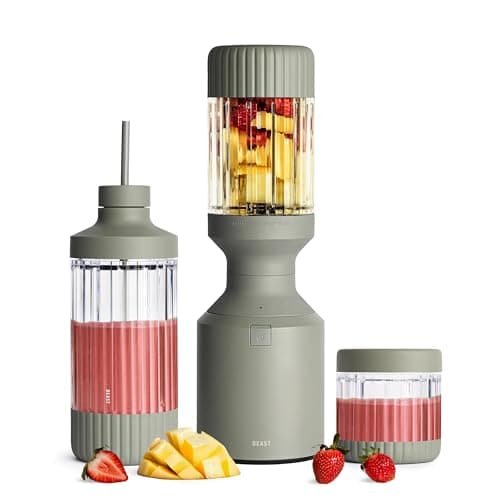
Our top pick: Beast Mega 1200 — Two years of warranty in a class where one is standard, and the only brand here that publishes usable blending capacity separately from total vessel volume.
A personal blender exists to do one job well: blend a single serving in a cup, then let you screw a lid on that same cup and leave. That is a genuinely different product from a shrunken countertop blender, and the specs that decide it are different too. If you are making batches for more than one person, you want a full-size machineinstead — a personal blender asked to do a family’s worth of work is the fastest way to burn one out.
The three things that actually decide this purchase
Whether the cup is the vessel you drink from.This is the entire value proposition and it is worth being deliberate about. Check that the drinking lid is sold in the box rather than as an accessory, that the cup fits your car’s cup holder if that matters, and that the cup is dishwasher-safe while the blade assembly usually is not.
Whether it can handle ice, honestly. Almost every box in this category says it crushes ice. What separates them is not the claim but the geometry: a bullet-style blender inverts the cup so gravity works with you, which is genuinely effective, but the narrow cup also means a large load of pure ice will jam against the blades rather than circulate. The realistic answer for most personal blenders is that they handle ice mixed with liquid and frozen fruit well, and a cup of nothing but ice cubes badly. We take this apart properly in the guide on ice in a personal blender.
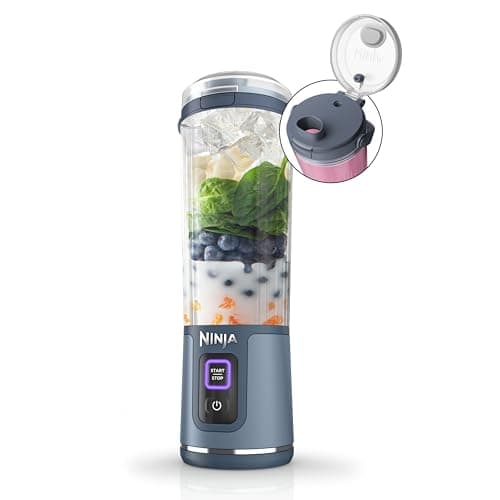
Whether it is corded or cordless.Cordless portables have become a real category rather than a novelty, but the trade is explicit: battery-powered motors draw far less power than mains ones, so they are for soft fruit, powder and liquid, and they will disappoint you with frozen fruit. Battery capacity is usually published in milliamp-hours along with a “blends per charge” claim; the first is a fact and the second is a marketing estimate at a serving size the manufacturer chose.
The gasket problem nobody warns you about
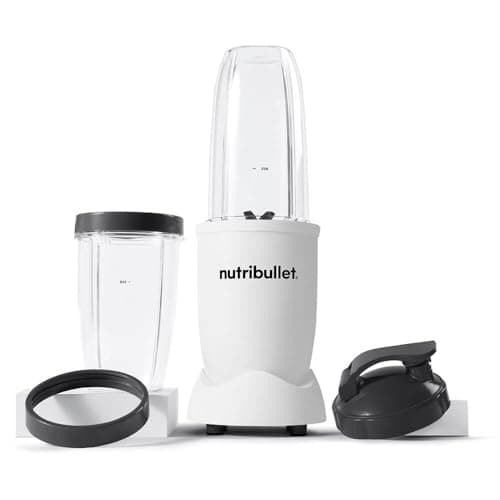
Personal blenders leak, and they almost always leak for the same reason: the rubber gasket in the blade assembly has been left in the dishwasher, dried out, and lost its seal. It is the single most common reason a working machine gets thrown away. Rinse the blade assembly by hand immediately after use, check whether replacement gaskets are sold separately before you buy — availability varies enormously by brand — and treat a machine with no spare-parts listing as disposable, because that is what the manufacturer has decided it is. It is worth knowing that NutriBullet’s warranty explicitly excludes cups and accessories, which is to say it excludes the parts that actually fail; the Pro review goes through what that leaves covered.
Protein powder is the most common use, and it has its own rules
The most-searched thing to put in one of these is protein powder, and the failure mode is clumping rather than power: powder added first, dry, sits under the blades and packs into a paste. Liquid first, then powder, then frozen ingredients last is the order that works, and it is the order most manufacturers put in their manuals. Our protein-shake roundup ranks on cup design and cleaning as much as on motor power, because for this specific job that is what determines whether you keep using the machine.
Where personal blenders lose
They are poor at hot liquids — the sealed cup design that makes them convenient also makes steam pressure dangerous, and most manuals prohibit it outright. They are poor at nut butter, because the small cup gives the mixture nowhere to move and the motor nowhere to breathe. They are poor at large frozen batches. And they are usually backed by the shortest warranties in the blender market, which tells you what the manufacturers themselves expect. If any of those three jobs is your main job, this is the wrong hub and you should be reading the countertop hub or the immersion hub instead.
Everything in this hub
All of Personal Blenders
Roundup
The best personal blenders for protein shakes
Five single-serve blenders ranked for one job. The Beast Mega 1200 takes it on a two-year warranty and honestly stated capacity; the NutriBullet Pro is the cheaper answer for most people.
Top pick: Beast Mega 1200 · 5 ranked, 5 with live prices
$219.00on Amazon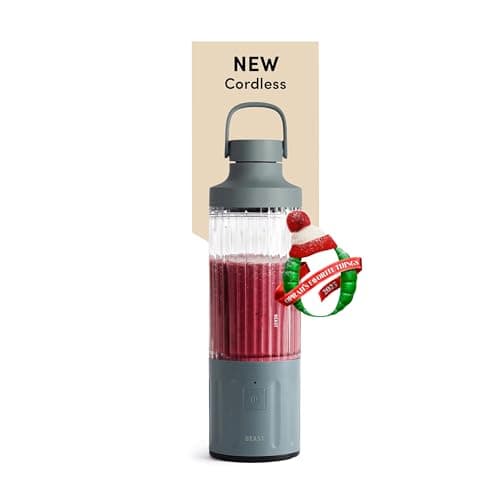
Roundup
The best portable blenders
The Beast GO Cordless takes it on a two-year warranty and published charge figures. Only two portables cleared the sourcing bar, and neither brand publishes a wattage at all.
Top pick: Beast GO Cordless · 2 ranked, 2 with live prices
$114.00on AmazonRoundup
The Best Cordless Blenders for Protein Shakes
Powder and liquid is the one load a battery motor handles well. Ranked on warranty, stated blending capacity and battery figures - because neither publishes watts.
Top pick: Beast GO Cordless · 4 ranked, 4 with live prices
$114.00on Amazon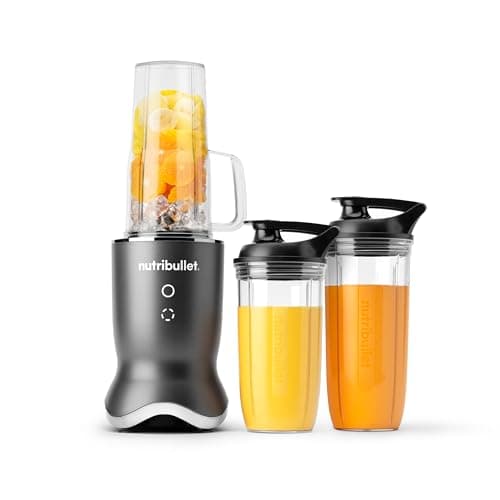
Roundup
The Best Personal Blenders for Smoothies
The NutriBullet Ultra takes it: 1,200 published watts and five years of warranty on the blade assembly, which is the part a frozen load destroys. The Beast Mega 1200 is the better hardware at roughly twice the money.
Top pick: NutriBullet Ultra (1200 W) · 5 ranked, 5 with live prices
$99.99on Amazon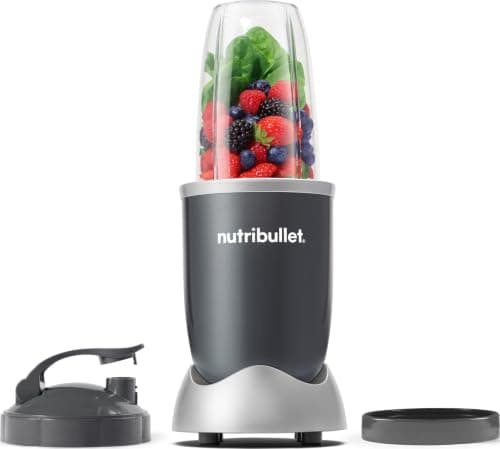
Roundup
The Best Blenders for a College Dorm
The NutriBullet 600 takes it: the smallest real blender in our catalog, an 18 oz cup that is genuinely one serving, and the lowest price in the NutriBullet range. The Ninja Blast is the pick if outlets are contested.
Top pick: NutriBullet 600 · 5 ranked, 5 with live prices
$59.96on AmazonRoundup
The Best Blenders for Runners
Bigger volume, ice in the cup, and a drink that travels. Four machines ranked on published cup capacity, frozen-load capability and warranty - with no nutrition advice anywhere.
Top pick: NutriBullet Ultra (1200 W) · 4 ranked, 4 with live prices
$99.99on Amazon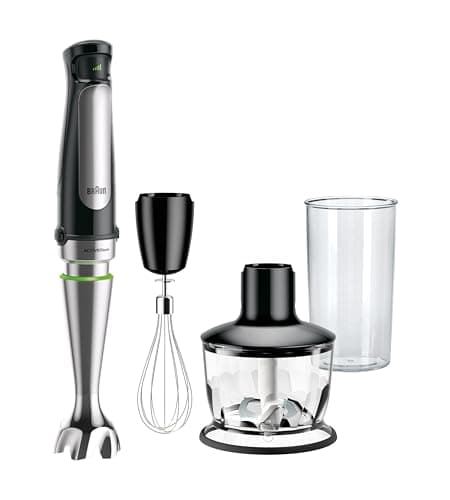
Guide
Can Personal Blenders Handle Hot Liquids?
A sealed single-serve cup traps steam and can blow the blade base or lid off under pressure. Personal-blender manuals say cold ingredients only. Use an immersion blender or a vented full-size jar for hot food.
Covered here: Braun MultiQuick 7 MQ7035X
$109.95on Amazon
Filed elsewhere, written for you
Also worth reading
These live under a different section of the site but answer the same question a personal blenders buyer is actually asking.