HUB 07 · Guides
The Blender Buying Guide
Most buying guides in this category are a ladder pointing upward. This one starts from your actual cooking and is entirely willing to end at a hundred dollars.
We earn a commission if you buy through our links. It does not change the price you pay, and it does not decide our picks — our selection criteria are published in full. How this works.
Decide the form factor from what you cook, choose within it on warranty length, and check the machine fits under your cabinets before you order. That is the whole method, and following it will keep most people from spending three hundred dollars they did not need to.
Step one: the form factor decides more than the brand
These are four different products, not four price points of one product. Getting this step right matters more than every other decision combined.
| If most of what you make is… | Buy | Because |
|---|---|---|
| One shake or smoothie at a time, drunk from the cup | A personal blender | The vessel is the drinking cup. Everything else about it is downstream of that. |
| Family batches, frozen fruit, thick mixtures | A full-size countertop blender | Jar capacity and a tamper are what a batch and a frozen load need. |
| Soup, sauces, anything already hot and in a pot | An immersion blender | No sealed vessel means no steam pressure, and far less to wash afterward. |
| Chopping, slicing, shredding, dough | A food processor | A blender moves food through liquid; a processor cuts food in air. Not substitutes. |
Most disappointment in this category is a form-factor mistake wearing a brand costume: somebody bought a bullet blender and expected it to make soup, or bought a full-size machine and only ever makes one shake.
Step two: choose within the form factor on warranty
Once the form factor is settled, the specifications inside it are more similar than the prices suggest, and the warranty term is the most decisive published difference between them. It is the manufacturer stating in a binding document how long they expect their own motor to last.
The spread is enormous and it does not track price. Hamilton Beach’s cheapest machine carries three years. Ninja and NutriBullet carry one year at several times that price. Vitamix carries seven on the 5200 and ten on the Ascent line. Blendtec’s Classic 575 carries two — not the eight that most review sites repeat, which belongs to a different Blendtec line entirely. The whole table is here, with every term linked to the manufacturer’s own document.
Step three: check it fits
Full-size blenders are commonly 17 to 20 inches tall assembled. Standard US worktop-to-cabinet clearance is about 18 inches. This is how people end up storing an expensive machine in a cupboard, which is the single most reliable way to stop using one.
Measure your gap. Compare it to the height with the lid on, not the base height. If it is tight, a low-profile jar or a shorter machine is worth more to you than another two hundred watts — and some machines are designed specifically around this, which is a genuine feature rather than a compromise.
The three things that justify a premium machine
If none of these apply to you, buy a competent hundred-dollar machine and spend the difference on something else.
1. Sustained thick loads. Nut butter, thick smoothie bowls, dough. These run the motor near stall for minutes with no liquid to carry heat away, and it is the one job where the expensive machines earn their price honestly.
2. Regular hot work. Fully variable speed and a properly vented lid matter far more when you are blending hot soup, and some high-power machines will bring soup to serving temperature by friction alone. The safety guide covers this properly.
3. A decade-long horizon. If you genuinely intend to own one machine for ten years, a seven- or ten-year warranty and a manufacturer that sells replacement parts is worth real money. Two replacements of a cheap machine costs more than one good one.
The four things that do not justify anything
Peak wattage. Measured at the instant of maximum draw, under conditions the manufacturer chooses, and not comparable between brands. Here is what the number actually means.
Preset count. A preset is a timer and a speed curve. Useful, occasionally pleasant, not a reason to move up a price bracket.
Running cost. A few dollars a year for any machine here. We publish the arithmetic specifically so it can be removed from your decision.
Quietness claims without a number. Almost no manufacturer publishes a decibel figure. When one markets a machine as its quietest without publishing one, there is nothing to verify — and paying a premium for an unverifiable claim is the thing this site most wants to talk you out of.
A reasonable default
For most households: a mid-range full-size blender around the hundred-dollar mark, chosen within that bracket on warranty length and jar height. It will make every smoothie you intend to make, it will crush ice with liquid, and the money you did not spend covers a replacement in five years if it comes to that. The under-$100 picks are here, and the full ranking is here if you want to see where that bracket sits against everything else.
The hardware
The hardware this guide is about
The products this guide refers to, with prices pulled live from Amazon. Prices last checked October 19, 2026. Where we have no verified live price we show none rather than a stale number. Full rankings live in the roundups linked above.
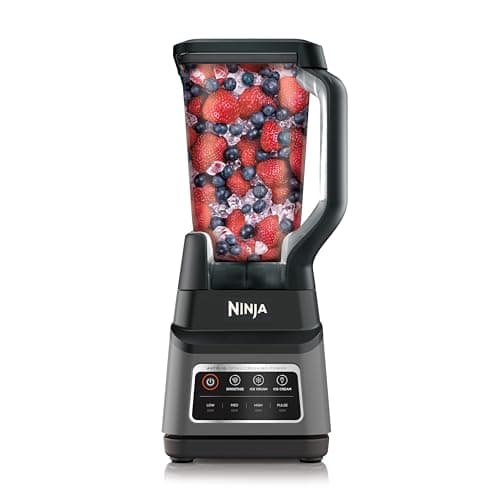
Most kitchens
Ninja Professional Plus BN701
The one brand here that publishes both a continuous and a peak wattage instead of only the flattering one. A large pitcher and real power for about a fifth of the premium price.
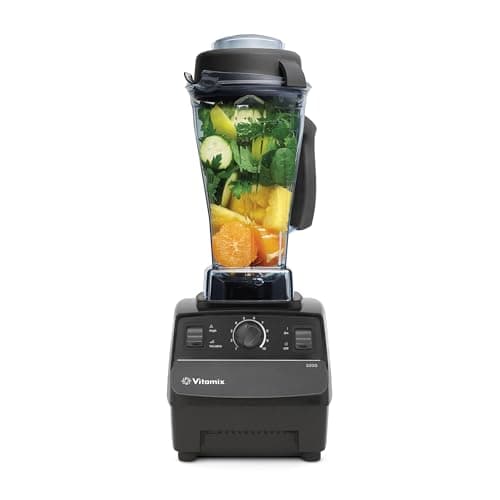
Buying once
Vitamix 5200
The seven-year warranty is the product. A machine with a fully variable dial, a tall narrow jar and a tamper, backed longer than almost anything else at any price.
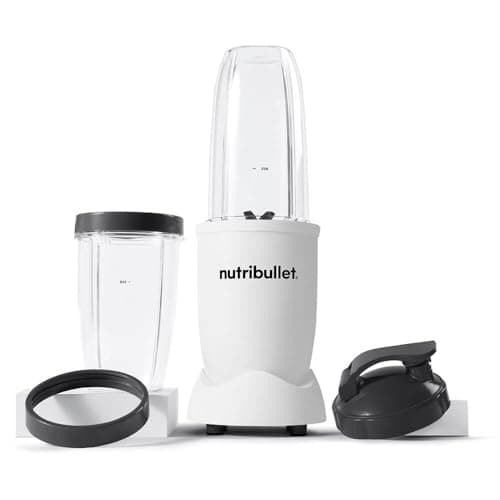
Everyday shakes
NutriBullet Pro (900 W)
The default bullet blender, and a good one. Note that NutriBullet's own product page contradicts itself about which cups are in the box.
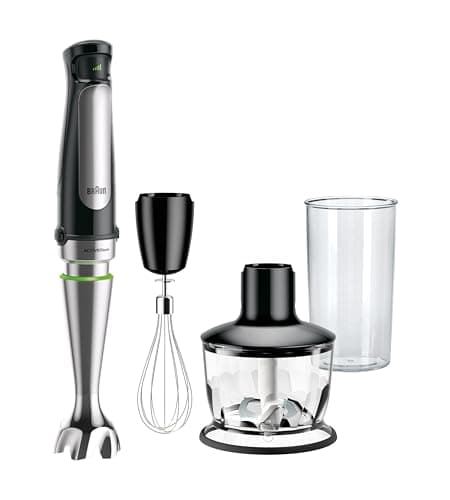
Soup, most weeks
Braun MultiQuick 7 MQ7035X
Three years of US warranty on a hand blender — triple what most rivals offer — and Braun publishes an input-power figure rather than a peak number.
#ad · As an Amazon Associate we earn from qualifying purchases.
Questions
Frequently asked
How much should I spend on a blender?
For most people, around a hundred dollars buys a machine that does everything they actually make. Spend more only if you will regularly make nut butter or thick bowls, blend hot soup, or genuinely intend to keep one machine for a decade — those are the three situations where a premium machine earns the difference.
How many watts do I need in a blender?
Fewer than the marketing implies, and the number is not comparable between brands anyway — some publish continuous draw, some peak, and Vitamix publishes horsepower and an amperage instead. Jar geometry and whether a tamper is included decide frozen-load performance more than wattage does.
Is a Vitamix worth it?
If you will make nut butter or hot soup regularly, or intend to own one machine for ten years, the seven-year warranty and the tamper are worth the money. If your honest use is smoothies four times a week, the difference will not show up in your kitchen. The full comparison is here.
What is the most common blender buying mistake?
Buying the wrong form factor — a personal blender expected to make soup, or a full-size machine bought by someone who only ever makes one shake. The second most common is not measuring the gap between the worktop and the cabinets, which is how a good machine ends up living in a cupboard.
Do I need a tamper?
Only for thick, low-liquid mixtures: nut butter, smoothie bowls, very dense frozen loads. For ordinary smoothies you will never touch it. If those thick jobs are on your list though, a tamper matters more than any wattage figure.
What if the blender I own has just stopped turning on?
Work through the free checks before you buy anything: most dead blenders have an unseated jar, a tripped thermal cut-out or a dead socket rather than a dead motor. The order to try them in is on blender won’t turn on.
Keep reading
Related
- Blender warranties comparedStep two of this guide, in one table, with every term sourced.
- The best blenders under $100Where the sensible default sits for most households.
- What a blender costs to runThe arithmetic that lets you stop weighing running cost entirely.
- The best blender brandsWho publishes an honest wattage and who stands behind the motor longest, brand by brand.
- Blender vs juicerWorth settling before you shop: the two machines do different things to the same fruit.
- How much does a blender cost?How much to spend, and the three things more money genuinely buys.
Receipts
Sources
- Vitamix — 7-Year Full Warranty terms
- Blendtec — warranty schedule by model
- Hamilton Beach — blender warranty terms
- NutriBullet — warranty terms
- US EIA, Electric Power Monthly — average residential price, US total
We do not run a testing lab and we do not pretend to. Specifications come from the manufacturer's own published documents and from published standards; prices come from the live Amazon API. Where a figure is not published, the page says “not published” rather than guessing. Read the full method.