HUB 07 · Guides
Are Blender Blades Sharp?
Usually not, and that surprises almost everybody. A blender blade is a blunt wing moving fast enough that food cannot get out of the way - which is why sharpening one does nothing, and why a blender that has stopped working rarely has a dull blade to blame.
We earn a commission if you buy through our links. It does not change the price you pay, and it does not decide our picks — our selection criteria are published in full. How this works.
Most blender blades are not sharp, and they are not meant to be. Run a finger along one on a premium machine and you will find a blunt, slightly twisted wing — closer to a propeller than a knife. It works by speed: at tens of thousands of revolutions a minute, food does not get cut so much as struck, torn and driven against the walls of the jar. That has three practical consequences, and the biggest one is that a dull blade is almost never what is wrong with your blender.
Why blunt is the right design
A sharp edge is a very thin piece of metal. Thin metal moving at blender speed through ice, frozen fruit and the occasional stray cherry stone would chip, roll over and eventually break, and a broken blade fragment in a smoothie is the worst failure a blender could have. A thick blunt wing survives all of that.
A blunt blade also does a different job better. What you want from a blender is not slicing, it is shear: the food dragged past itself fast enough to break apart, then recirculated and broken again. The jar shape and the blade’s angle are what create that circulation, and they matter far more than any edge would. It is also why jar geometry keeps deciding our rankings while wattage keeps not — see blender wattage explained.
The exceptions are worth knowing. The small chopper bowls that come with stick blenders, and the chopping attachments on food processors, genuinely do have sharpened edges, because they turn slowly and cut rather than shear. If you own a hand blender with a chopper, that one blade in your kitchen is sharp — treat it like a knife.
So can you sharpen a blender blade?
You can put an edge on one, and it will not help. The blade was not performing by cutting, so a new edge does not restore performance — and you have now made a thin spot on a part that spins at enormous speed and relies on being thick. It also means handling the assembly, which is the one part of a blender worth being careful with.
The one thing worth doing is checking for chips and bends. A visibly chipped wing or one bent out of plane will vibrate, which stresses the bearing and the seal underneath it, and that is a replace-the-assembly situation rather than a sharpen-it one.
Then why does my blender seem worse than it used to be?
Four things, in the order we would check them, and the blade’s edge is not among them.
1. The bearing or seal under the blade.The blade sits on a shaft with a bearing and a gasket beneath it. When the gasket goes, liquid gets into the bearing, and the assembly starts to drag, rattle and leak. This is the single most common real failure on a blender and it presents as “the motor sounds the same but nothing blends properly”. Diagnosis and the fix are on why is my blender leaking.
2. The drive coupler. Between the motor and the blade sits a splined coupling, often a soft plastic or rubber part designed to be the sacrificial component. Worn splines slip under load: the motor runs, the blade turns slowly or not at all, and the machine may smell of hot rubber. That smell is covered on why does my blender smell like burning.
3. The jar, not the machine. A hazed or scratched jar makes the whole thing look and feel tired without changing how it blends, and a warped lid changes how the vortex forms. Replaceable on most machines, if the brand sells parts.
4. Your loads got harder.Genuinely common. People start with banana and liquid and end up at frozen fruit with no liquid, then conclude the machine has weakened. It has not; the job changed. What actually separates machines on that load is a tamper — see best blenders for nut butter.
Are blender blades dishwasher safe?
It depends on the machine, and on this question the manuals genuinely disagree — so read yours rather than a general rule. Two documented examples from our own catalogue: SharkNinja publishes “Dishwasher Safe: Yes” for the BN701’s pitcher on its specification page, while Vitamix’s VX1 owner’s manual states that the container is not dishwasher safe. Same category, opposite instructions.
Where a blade assembly unscrews from the jar, as on bullet blenders and most full-size machines, the assembly and its gasket are the parts that suffer in a dishwasher: heat and detergent age rubber, and a tired gasket is how leaks start. Our general advice is to wash the blade assembly by hand with a brush and never with your fingers in the jar — blunt is not harmless at the edge of a wing. The full routine, including the self-clean trick, is on how to clean a blender.
How long do blender blades last?
Nobody publishes a figure, and we are not going to invent one. What is documented is the warranty, and here one brand does something unusually useful: NutriBullet covers the Ultra’s blade for five years against one year on the machine — an explicit acknowledgement that the blade assembly is a wear part. Vitamix and Blendtec sell replacement assemblies outright.
In practice the blade outlives the gasket and the coupler, which is why those are the parts worth being able to buy. Whether your brand sells them is a better predictor of how long the machine lasts than any published figure would be, and that argument is set out on how long do blenders last.
What this means when you are choosing a machine
Ignore blade marketing
Blade counts, blade angles and “laser-cut” language are not where the performance is. Jar shape, speed control and whether a tamper is included are. If a product page leads with its blades, it is leading with the least decisive thing about it.
Ask whether the blade assembly is a buyable part
Because it is a wear item in the real world, even though the metal lasts. A brand that publishes and sells the assembly and its gasket is a brand whose machine you can keep. One that does not has sold you a disposable appliance at a non-disposable price.
Check the dishwasher line in the manual, not on the box
The two documents in our catalogue flatly contradict each other across brands, so it is a per-model question. The manual is the document that governs, and it is also the one that voids a warranty claim if you ignore it.
Prefer a removable assembly if you cook savoury
Being able to unscrew the blade and gasket and wash them separately is what keeps garlic and onion from living in your machine. That matters most if you make sauces — best blenders for sauces and dressings goes into why.
The hardware
The hardware this guide is about
The products this guide refers to, with prices pulled live from Amazon and dated on every card. Full rankings live in the roundups linked above.
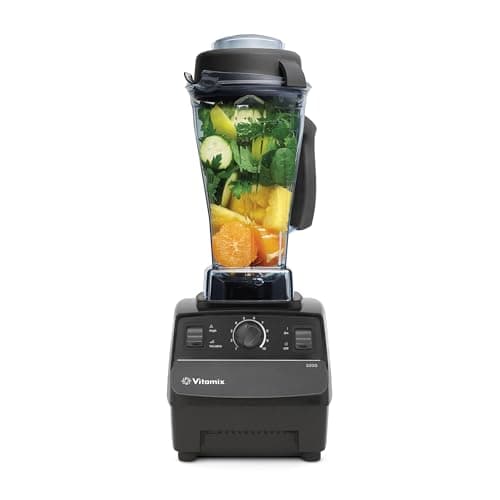
Buying once
Vitamix 5200
The seven-year warranty is the product. A machine with a fully variable dial, a tall narrow jar and a tamper, backed longer than almost anything else at any price.
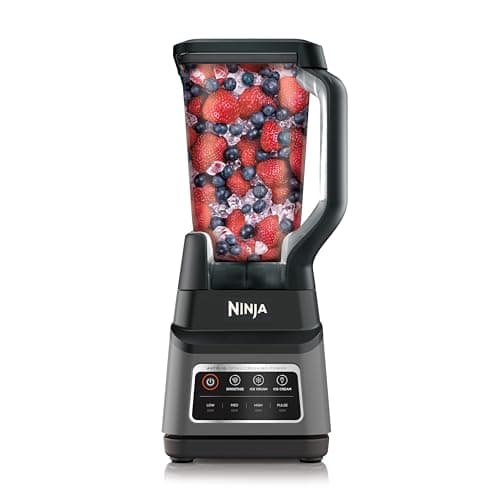
Most kitchens
Ninja Professional Plus BN701
The one brand here that publishes both a continuous and a peak wattage instead of only the flattering one. A large pitcher and real power for about a fifth of the premium price.
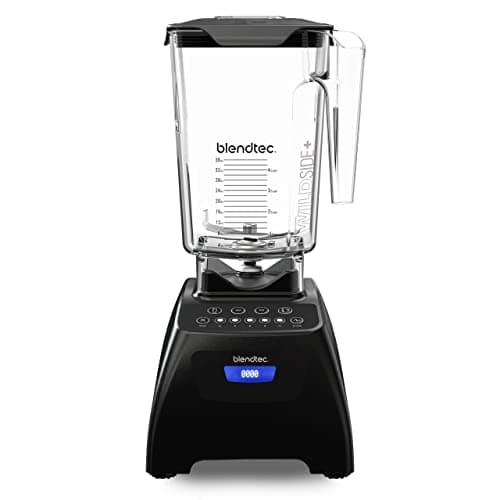
Cabinet clearance
Blendtec Classic 575
A 1,560-watt motor and a blunt, unremovable blade, in a jar short enough to fit under a cabinet. The warranty is two years, not the eight years the internet keeps repeating.
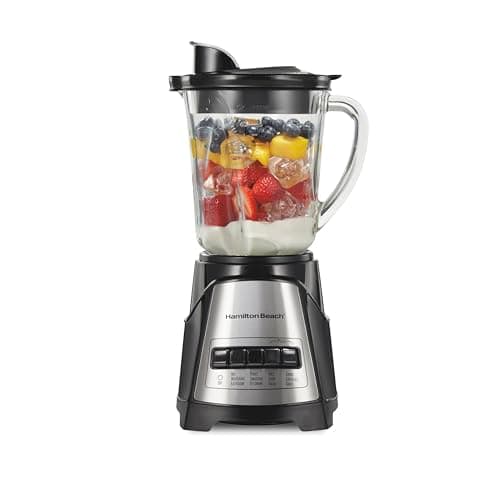
The smallest budget
Hamilton Beach Power Elite Wave Action
The cheapest machine here and the most honest about its own numbers: Hamilton Beach defines what its peak wattage means and prints the real nameplate amperage next to it.
#ad · As an Amazon Associate we earn from qualifying purchases.
Questions
Frequently asked
Are blender blades supposed to be sharp?
No. Most are deliberately blunt, thick wings: they break food apart by speed and shear rather than by cutting, and a thin sharpened edge would chip or bend against ice. The sharpened blades in a kitchen are the chopper attachments on hand blenders and food processors, which turn slowly and genuinely cut.
Can you sharpen blender blades?
You can, and it will not improve blending, because the blade was never cutting. It also thins a part that depends on being thick while spinning extremely fast. Inspect for chips and bends instead — those are real faults, and the fix is a new blade assembly rather than a file.
Are blender blades dishwasher safe?
Per model, not in general. SharkNinja publishes “Dishwasher Safe: Yes” for the BN701 pitcher; Vitamix’s VX1 manual says its container is not dishwasher safe. Even where it is allowed, hand-washing the blade assembly is kinder to the gasket, and a tired gasket is how leaks begin.
How do I clean blender blades safely?
Never with fingers in the jar. Blend warm water and a drop of dish soap for twenty seconds, rinse, then use a long brush on the assembly — and if the blade unscrews, take it out and wash it and its gasket separately. Step by step on how to clean a blender.
How long do blender blades last?
No manufacturer publishes a figure and we will not estimate one. The documented signal is warranty: NutriBullet covers the Ultra’s blade for five years against one year on the machine, and Vitamix and Blendtec sell replacement assemblies. In practice the gasket and the drive coupler wear out before the metal does.
My blender has stopped crushing ice. Is the blade dull?
Almost certainly not. Check the gasket and bearing under the blade, then the drive coupler between motor and blade, then whether your loads have got harder. See why is my blender leaking for the first and why does my blender smell like burning for the second.
Keep reading
Related
- GuidesThe hub this guide sits in.
- How to clean a blenderWashing the assembly without putting a hand in the jar.
- Why is my blender leaking?The gasket under the blade, which is the real wear part.
- How long do blenders last?What warranty terms and parts availability imply about service life.
- Why does my blender smell like burning?The drive coupler, and when to stop using the machine.
- Blender wattage explainedThe other number that is sold harder than it deserves.
Receipts
Sources
- SharkNinja — Ninja Professional Plus BN701 specification table
- Vitamix — VX1 owner's manual (PDF), specifications, controls and care
- NutriBullet — warranty terms
- Vitamix — 5200 product page and specification table
- Blendtec — Classic 575 product page
We do not run a testing lab and we do not pretend to. Specifications come from the manufacturer's own published documents and from published standards; prices come from the live Amazon API. Where a figure is not published, the page says “not published” rather than guessing. Read the full method.