Skip to content
BasketBlade

HUB 03 · Personal Blenders

The Best Blenders for RVs and Van Life

In a van the question is not which blender blends best, it is which one your electrical system can start. Five machines ranked on published draw rather than marketing watts, including the two that never touch the inverter - and the popular full-size machines that would need 1,200 watts continuous before they spin.

By Stephen V.Updated How we pick
#ad

We earn a commission if you buy through our links. It does not change the price you pay, and it does not decide our picks — our selection criteria are published in full. How this works.

The short answer

Quick picks

#ProductBest forScorePrice
01
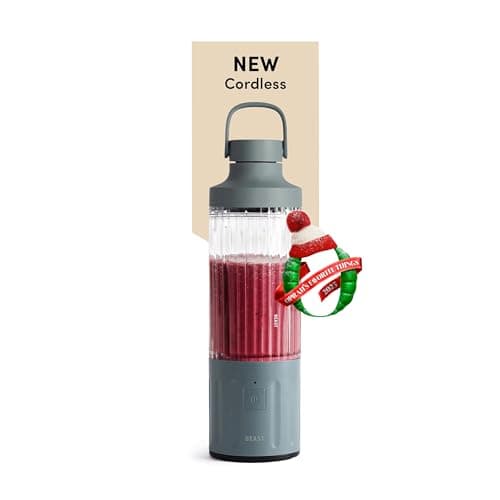
Beast Health Beast GO Cordless
Beast GO Cordless

A cordless blender that publishes no wattage at all — only a battery voltage. That is not evasion; there is no meaningful watt figure to publish, and most rivals invent one anyway.

Blending away from a socket
6.5
$114.00Amazon
02
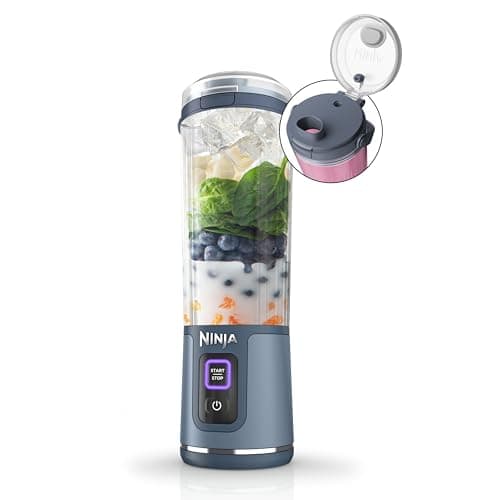
Ninja Ninja Blast BC151
Ninja Blast BC151

The cheapest way to blend away from a socket. Ninja's own spec table lists its wattage as zero, which is a data-entry failure but an accidentally honest one.

The cheapest portable
5.4
$39.99Amazon
03
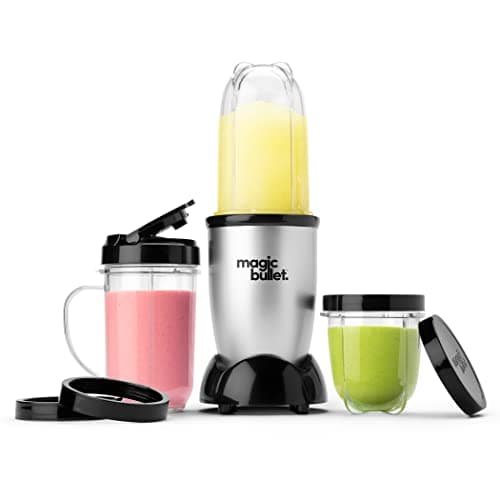
Magic Bullet Magic Bullet 11-piece set
Magic Bullet 11-piece set

250 watts and a very low price. It is a chopper and a shake-maker, and treating it as a blender is where the disappointment comes from.

Very small jobs
5.4
$37.81Amazon
04
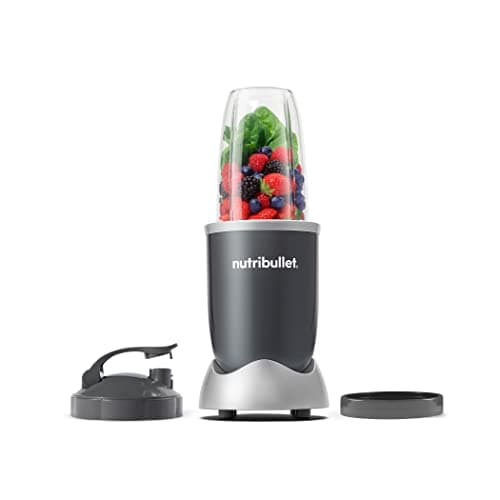
NutriBullet NutriBullet 600
NutriBullet 600

The entry point, and the only machine here that ships a genuinely small cup. 600 watts is enough for the job it is actually bought for.

One modest shake
7.1
$59.96Amazon
05
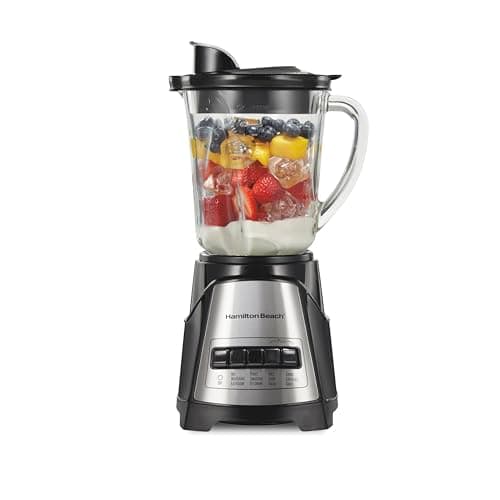
Hamilton Beach Hamilton Beach Power Elite Wave Action
Hamilton Beach Power Elite Wave Action

The cheapest machine here and the most honest about its own numbers: Hamilton Beach defines what its peak wattage means and prints the real nameplate amperage next to it.

The smallest budget
7.0
$39.95Amazon

#ad · Prices pulled live from the Amazon Product API, last checked November 1, 2026. Where we have no verified live price we show none — we would rather leave a gap than print a number that has gone stale. Scores are our own, compiled from published specs; they are not test results.

Buy the Beast GO Cordless. In a van or an RV the best blender is usually the one that never asks the electrical system for anything, and the Beast is the one that documents that case properly: USB-C charging, a 3-cell 11.1 V battery, and a published figure of 13 blending cycles of 30 seconds per charge with a charge time under two hours. The Ninja Blastdoes the same job for considerably less money with a 7.4 V base. If you want a mains machine, the Magic Bulletdraws a published 250 W, the lowest of anything in this catalog by a factor of two.

The number you need is almost never the number on the box.Blender marketing runs on “peak” watts — the draw in the first seconds of a run. Hamilton Beach is the one brand here that says so in writing: its Power Elite is sold on 700 peak watts, its own manual defines peak as the first seconds of operation, and the rating plate in that same manual reads 120 V, 3.7 A max. That is 444 W continuous. Off-grid you need both figures and they do different jobs: the continuous number has to sit inside your inverter’s continuous rating, and the peak number is the startup surge your inverter’s surge rating has to absorb. A machine advertised at 700 W that actually runs at 444 W is a very different proposition in a van, and almost nothing else in this category publishes the plate figure at all.

The published draw, machine by machine

Every figure here is read off the manufacturer’s own specification page or rating plate, cited below. Where a maker publishes nothing, this page says so rather than converting a battery voltage into a watt figure, which is not a conversion that exists.

  • Beast GO Cordless — no mains draw.Beast publishes no wattage at all, only a 3-cell 11.1 V battery and USB-C charging. It is the only machine here whose maker also commits to a cycles-per-charge figure, which is the number that actually matters when you are rationing amp-hours.
  • Ninja Blast BC151 — no mains draw.SharkNinja’s specification table lists the wattage as 0 watts and the peak wattage as 0 watts. That is a data-entry failure rather than a claim, but the practical answer is the same: a 7.4 V USB-C base, and no power figure you could compare with anything.
  • Magic Bullet — 250 W published. The smallest mains draw in this entire catalog, with no peak or continuous qualifier attached. On a 29.5-inch cord and a 4.01-inch square base.
  • NutriBullet 600 — 600 W published.Also unqualified. Note that nutribullet.com now marks this model discontinued, replaced by the 700 W Personal Blender.
  • Hamilton Beach Power Elite — 444 W continuous, 700 W peak. The only household machine in the catalog that publishes a rating-plate amperage, which makes it the only one whose continuous draw is a fact rather than an inference.

For contrast, and this is the part that decides most van builds: the Ninja BN701 publishes 1,200 watts continuous and 1,400 watts peak, and the Vitamix 5200’s nameplate reads 11.5 amps at 120 V, which is 1,380 W by arithmetic Vitamix leaves you to do yourself. Those two machines draw roughly five and a half times what the Magic Bullet draws. They are both excellent blenders. Neither is a van appliance unless your system was built with a kitchen in mind.

Why cordless wins off-grid, and what it costs you

A cordless blender converts the problem from “can my inverter start this” into “can I spare a USB-C port for two hours.” That is a much easier problem, and it is why both top picks here are battery machines even though both are, in absolute terms, the least capable blenders on the page.

The cost is real and worth stating plainly: neither will blend frozen fruit. A battery motor draws a fraction of what a mains motor draws, and no amount of blade geometry fixes that. Both are for soft fruit, powder, yogurt and liquid. If your van breakfast is a protein shake or a banana smoothie, that is genuinely all you need, and whether personal blenders can handle ice explains why the narrow cup helps and the battery does not.

The second cost is that you cannot compare them on power with anything. Beast declines to publish a wattage; Ninja’s table prints zero. That is the central finding of our portable blender roundup, and it means any watt figure you read for either machine came from somewhere other than the manufacturer.

If you want a mains machine in the van

Start from your inverter’s continuous rating, not its peak one

Inverters are sold on a headline number that is usually the surge rating, and the continuous rating is the smaller figure further down the spec sheet. A blender needs the continuous rating to cover its continuous draw for the whole run, and the surge rating to cover the first seconds. We are not going to tell you which inverter to buy — we have tested none, and this site publishes nothing it cannot cite — but the appliance side of that comparison is on this page, in published figures, which is the half most blender sites leave out.

A blender is a short, brutal load

Thirty to ninety seconds at full draw, once or twice a day. That is a very different load profile from a fridge or a fan, and it is the reason a blender can be viable on a modest system that could never run a microwave: the energy total is tiny even though the instantaneous demand is high. Three minutes a day of a 250 W machine is about 0.0125 kWh — a rounding error against anything else in a van. The constraint is never the energy. It is always the instantaneous watts.

Glass is a liability in a moving vehicle

The Hamilton Beach Power Elite is ranked last here despite having the best-documented draw on the page and the longest warranty, and this is why: it is a 40 oz glass jar. Glass does not care how well you packed it until the one time it does. Everything above it on this page is plastic, and glass versus plastic blender jarssets out the real trade — glass wins on odor and clouding, plastic wins on weight and on not shattering. On the road, plastic wins.

Nothing here needs a dedicated circuit, and nothing here is a Vitamix

If your build has shore power and a full 120 V kitchen circuit, ignore this page and buy whatever you would buy for a house. The ranking below exists for systems where the blender has to justify itself against a power budget, and in that situation the honest answer is a smaller machine rather than a cleverer one.

What about an Airbnb or a rental?

Different constraint, same shortlist. A holiday let or short-term rental has mains power, so draw stops mattering and three other things start: how little counter it occupies, how obvious it is to operate without instructions, and how cheap it is to replace when a guest breaks it. That favors the Magic Bullet and the NutriBullet 600 — one moving part, press down to run, no control panel to explain — and argues against glass. If the let sleeps a family, a pitcher machine makes more sense than any of these, and the best blenders under $100 is the right page.

What we have not done

We have not run any of these machines off an inverter, a battery bank or a generator. We own no vans and no blenders, and we have tested no electrical equipment of any kind. What this page does is collect the figures the manufacturers publish — rating-plate amperage where it exists, continuous and peak wattage where it is distinguished, battery voltage and cycles-per-charge where that is all there is — and show you which ones are missing. How we pick is the full method.

In detail

The picks, in full

01
Beast Health Beast GO Cordless

Blending away from a socket

Beast GO Cordless

2-year warrantyNo wattage published
6.5/10

A cordless blender that publishes no wattage at all — only a battery voltage. That is not evasion; there is no meaningful watt figure to publish, and most rivals invent one anyway.

Warranty
6.5
Portability
9.5
Frozen
3.5
Documentation
7
Value
6

What it gets right

  • Two years of warranty, double what most portables carry
  • Publishes cycles-per-charge and charge time as concrete figures rather than a vague battery-life claim
  • Blending capacity stated separately from total volume, so you know what you can actually fill it to
  • USB-C charging rather than a proprietary brick

What it doesn't

  • No wattage published anywhere, so it cannot be compared on power with any mains machine in this list
  • 17 oz of blending capacity is small even by personal-blender standards
  • A battery motor draws far less than a mains one: this is for soft fruit, powder and liquid, not for a cup of frozen fruit

What it costs to run

Beast Health publishes no usable wattage for this machine, so we do not show a running-cost figure for it. Here is the method we would have used.

Skip this if…

…you blend frozen fruit — every cordless blender trades power for portability, and this one does not publish a wattage precisely because there is no flattering number to publish.

$114.00on Amazon

Price last checked November 1, 2026. Prices move constantly — Amazon's at checkout is the one that counts.

#ad · we may earn a commission from this link to Beast GO Cordless

02
Ninja Ninja Blast BC151

The cheapest portable

Ninja Blast BC151

USB-C chargingWattage listed as zero
5.4/10

The cheapest way to blend away from a socket. Ninja's own spec table lists its wattage as zero, which is a data-entry failure but an accidentally honest one.

Warranty
3.5
Portability
9
Frozen
3.5
Documentation
2.5
Value
8.5

What it gets right

  • Among the cheapest cordless blenders from a brand with a real service operation behind it
  • USB-C rather than a proprietary charger
  • 18 oz is a sensible single serving and the vessel is the drinking cup
  • Ninja's blade geometry handles soft frozen fruit better than the price suggests

What it doesn't

  • SharkNinja's own specification table lists the wattage as 0 watts and the peak wattage as 0 watts — no usable power figure is published for this machine at all
  • One-year warranty
  • 7.4 V is half the voltage of the Beast GO's battery, and battery blenders are already the least powerful category here

What it costs to run

Ninja publishes no usable wattage for this machine, so we do not show a running-cost figure for it. Here is the method we would have used.

Skip this if…

…you want to compare it on power — Ninja publishes no meaningful wattage for it, so any power claim you read about this machine came from somewhere other than the manufacturer.

$39.99on Amazon

$69.9943% off

Price last checked November 1, 2026. Prices move constantly — Amazon's at checkout is the one that counts.

#ad · we may earn a commission from this link to Ninja Blast BC151

03
Magic Bullet Magic Bullet 11-piece set

Very small jobs

Magic Bullet 11-piece set

Cheapest hereNo capacity published
5.4/10

250 watts and a very low price. It is a chopper and a shake-maker, and treating it as a blender is where the disappointment comes from.

Warranty
3.5
Frozen
2.5
Convenience
8.5
Documentation
4
Value
8.5

What it gets right

  • The lowest price of any machine in this catalog by a wide margin
  • Genuinely good at the small jobs it is built for: dressings, dips, chopping small quantities, a soft shake
  • Eleven pieces means a cup for most small tasks without washing between them
  • Covered by the same NutriBullet warranty administration, which is a real service operation

What it doesn't

  • 250 W. That is a quarter of a mainstream bullet blender and a sixth of a full-size machine — it will not crush ice and it will not blend frozen fruit
  • Magic Bullet publishes no capacity figure for any of the cups it ships, which is unusual and unhelpful
  • One-year warranty

What it costs to run

About $0.83 a year in electricity, at 3 minutes a day, 365 days a year and 18.16¢ per kWh.

Magic Bullet publishes a 250 W motor base, with no peak or continuous qualifier. The full arithmetic is published.

Skip this if…

…you want to make smoothies with frozen fruit — at 250 watts this is a chopper that also makes milkshakes, and buying it as a blender is the most common mistake in this category.

$37.81on Amazon

$39.995% off

Price last checked November 1, 2026. Prices move constantly — Amazon's at checkout is the one that counts.

#ad · we may earn a commission from this link to Magic Bullet 11-piece set

04
NutriBullet NutriBullet 600

One modest shake

NutriBullet 600

18 oz cup — genuinely small1-year warranty
7.1/10

The entry point, and the only machine here that ships a genuinely small cup. 600 watts is enough for the job it is actually bought for.

Warranty
3.5
Frozen
5.5
Convenience
9
Cleaning
8.5
Value
9

What it gets right

  • The 18 oz short cup is the only properly single-serving vessel in this list; everything else starts at 22 oz and goes up
  • 600 W is enough for banana, yogurt, powder and a handful of frozen berries, which is what most people actually make
  • Cheapest way into the NutriBullet accessory ecosystem, where replacement cups and blades are easy to find
  • Small enough to leave out on a worktop without it dominating

What it doesn't

  • 600 W is the least power here and it shows on a cup packed with frozen fruit
  • One-year warranty
  • No variable speed — it runs at one speed and you control it by how long you press

What it costs to run

About $1.99 a year in electricity, at 3 minutes a day, 365 days a year and 18.16¢ per kWh.

NutriBullet publishes 600 W with no peak or continuous qualifier. The full arithmetic is published.

Skip this if…

…you blend mostly frozen fruit with little liquid — at 600 watts in a narrow cup, that load stalls, and pulsing it repeatedly is how the motor gets cooked.

$59.96on Amazon

Price last checked November 1, 2026. Prices move constantly — Amazon's at checkout is the one that counts.

#ad · we may earn a commission from this link to NutriBullet 600

05
Hamilton Beach Hamilton Beach Power Elite Wave Action

The smallest budget

Hamilton Beach Power Elite Wave Action

3-year warrantyGlass jarPeak watts, defined
7.0/10

The cheapest machine here and the most honest about its own numbers: Hamilton Beach defines what its peak wattage means and prints the real nameplate amperage next to it.

Warranty
7.5
Candor
9
Frozen
4.5
Capacity
5
Value
9

What it gets right

  • Three years of warranty at the lowest price in this list — triple what Ninja and NutriBullet offer at several times the cost
  • Hamilton Beach defines 'peak power' in its own manual and prints the true nameplate amperage, which is more candor about wattage than any premium brand here shows
  • Glass jar rather than plastic: no clouding, no odor retention, dishwasher-safe without anxiety
  • The jar pours without dripping down the side, which sounds trivial until you own one that does

What it doesn't

  • Genuinely low power — 3.7 A is a fraction of what the premium machines draw, and it shows on a full jar of frozen fruit
  • The glass jar is heavy, and 40 oz is small for a family batch
  • No tamper, no variable dial

What it costs to run

About $1.47 a year in electricity, at 3 minutes a day, 365 days a year and 18.16¢ per kWh.

Hamilton Beach publishes 700 'peak' watts and defines peak in its own manual as the draw during the first seconds of operation. The rating plate in that manual says 3.7 A max, so the real continuous draw is 3.7 A x 120 V = 444 W. We use the plate figure, because the running cost depends on what the motor draws for three minutes, not for the first second. The full arithmetic is published.

Skip this if…

…you blend frozen fruit without added liquid — at 3.7 amps this machine will stall, and no amount of pulsing changes the arithmetic.

$39.95on Amazon

Price last checked November 1, 2026. Prices move constantly — Amazon's at checkout is the one that counts.

#ad · we may earn a commission from this link to Hamilton Beach Power Elite Wave Action

Three figures to check before you buy a blender for a van

1. The continuous draw, in watts or amps

Not the peak figure, not the number in the product name. If the maker publishes a rating-plate amperage, multiply it by 120 and you have the real number. If the maker publishes only an unqualified watt figure, treat it as the continuous draw and accept that you are taking them at their word. If the maker publishes only a “peak” watt figure, you do not have the number you need, and the honest move is to assume the continuous draw is substantially lower — Hamilton Beach’s gap between 700 peak and 444 continuous is the only documented example in this catalog, and it is a 37% difference. Blender wattage explained covers why the two figures diverge and why brands prefer the bigger one.

2. The startup surge

An induction motor pulls hard for a moment before it is turning, which is exactly what the “peak” marketing figure describes. That surge is why a machine whose continuous draw fits comfortably inside an inverter’s continuous rating can still trip it on startup. Read your inverter’s surge rating and its duration, and compare it against the peak figure if the maker publishes one. If the maker publishes no peak figure at all, you are guessing, and the cheap way to stop guessing is to buy a cordless machine.

3. Whether it needs the inverter at all

This is the question most RV blender advice skips, and it dissolves the other two. A USB-C cordless blender charges off a 12 V socket or a power bank, draws a few watts while charging rather than hundreds while blending, and can be charged while you drive. That is the single biggest practical advantage available in this category, and both machines at the top of this page have it.

Then three practical ones the spec sheet will not tell you

Where does it live while you are moving?

A blender in a van is stowed far more than it is used. Published weight and published dimensions are the two figures that decide whether that is a chore, and they are the same figures ranked on our lightweight-blenders page, where the published spread runs from 2.4 lbs to 8.78 lbs. The Magic Bullet base is 4.01 inches square, which fits in a drawer; the 64 oz pitcher machines do not fit anywhere useful.

How many parts does it have?

Every separate lid, cup, gasket and blade collar is another thing to rattle, lose, or wash in a sink the size of a dinner plate. The Magic Bullet ships eleven pieces, which is a feature in a kitchen and a liability in a van. The cordless machines are a vessel, a lid and a base.

Can you clean it with a cup of water?

Off-grid, water is the scarcer resource. A bullet or cordless blender cleans with a quarter-cup of water and a drop of soap run for ten seconds, poured out and rinsed once. A pitcher machine with a stacked blade tower does not. The easiest blenders to clean goes through which designs actually self-clean and which only claim to.
How we picked

Blenders we claim to have tested: 0

Every site in this category tells you they blended twenty smoothies. We have not blended any, and we say so. Here is what we do instead: read the manufacturer's manual and spec sheet, record the published motor rating, jar capacity and warranty term, verify the warranty against the manufacturer's own warranty document, work out what the machine costs to run for a year and show the arithmetic, and cite all of it so you can check the work. Prices come live from Amazon's API and disappear rather than go stale.

The scores above are judgments from that documented research — not test results. The full rubric, including what disqualifies a product, is published in full.

Questions

Frequently asked

Can you run a blender off an inverter in an RV?

Yes, if the inverter’s continuous rating covers the blender’s continuous draw and its surge rating covers the startup spike. The appliance half of that sum is published: the Magic Bullet draws 250 W, the Hamilton Beach Power Elite’s rating plate reads 3.7 A at 120 V (444 W continuous, 700 W peak), and a full-size Ninja BN701 publishes 1,200 W continuous and 1,400 W peak. The other half is your own inverter’s spec sheet, and the continuous rating is usually the smaller number further down it. We have not tested any inverters and will not recommend one.

How many watts does a blender use?

Across this catalog, between a published 250 W and a nameplate 1,800 W, which is a sevenfold range in machines that look broadly similar. The useful figures: 250 W for a Magic Bullet, 444 W continuous for a Hamilton Beach Power Elite, 600 to 1,200 W for a bullet blender, 1,200 W continuous for a full-size Ninja, and 1,380 W for a Vitamix 5200 by arithmetic on its 11.5 A nameplate. Cordless blenders publish no wattage at all. What a blender costs to run shows what those figures mean on a domestic electricity bill.

Is a cordless blender good enough for van life?

For shakes, soft fruit, powder and liquid, yes, and it removes the electrical question entirely. For frozen fruit or ice, no. Neither Beast nor Ninja publishes a wattage for its cordless machine, and that silence is the answer: a battery motor cannot draw what a mains motor draws. Beast at least publishes what it will commit to - 13 blending cycles of 30 seconds per charge, under two hours to recharge - which is a figure you can hold it to.

What is the lowest-wattage blender you can buy?

Of the mains machines in this catalog, the Magic Bullet at a published 250 W motor base. The next step up is the NutriBullet 600 at 600 W. Below 250 W you are into cordless machines, where no manufacturer in this catalog publishes a watt figure at all. Low wattage is a real limitation rather than an efficiency win: at 250 W the Magic Bullet is a chopper and a shake-maker, and buying it expecting frozen smoothies is the most common mistake in the category.

Should I take a Vitamix in a camper van?

Only if the build has a proper 120 V kitchen circuit or shore power. The Vitamix 5200’s own specification table reads 120 V, 50/60 Hz, 11.5 amps, which is 1,380 W - roughly five and a half times the Magic Bullet’s draw, and more continuous capacity than many van inverters carry. It is one of the best blenders made and our review says so; it is simply the wrong appliance to pick for a power budget.

Glass or plastic jar for a blender in an RV?

Plastic, without much argument. Glass is better on odor retention and clouding and it is dishwasher-safe without anxiety, but a 40 oz glass jar in a moving vehicle is a risk with no upside you will notice on a van breakfast. Glass versus plastic blender jars sets out both sides properly for a kitchen, where the answer is different.

Keep reading

Receipts

Sources

We do not run a testing lab and we do not pretend to. Specifications come from the manufacturer's own published documents and from published standards; prices come from the live Amazon API. Where a figure is not published, the page says “not published” rather than guessing. Read the full method.