Skip to content
BasketBlade

HUB 04 · Immersion Blenders

The Best Blenders for Mashed Potatoes

This is the only ranking on this site where the most powerful machine is the most dangerous one. Potato starch punishes over-blending, so the hardware that wins is the hardware that lets you do less of it.

By Stephen V.Updated How we pick
#ad

We earn a commission if you buy through our links. It does not change the price you pay, and it does not decide our picks — our selection criteria are published in full. How this works.

The short answer

Quick picks

#ProductBest forScorePrice
01
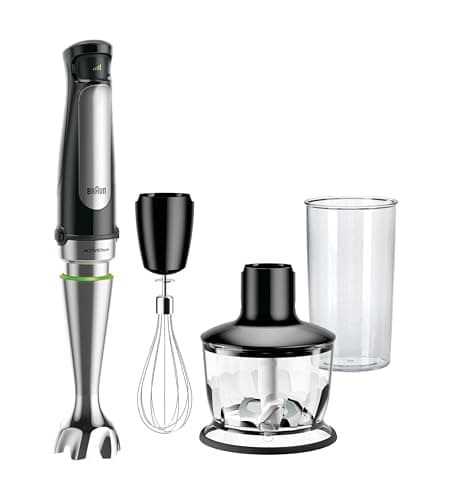
Braun Braun MultiQuick 7 MQ7035X
Braun MultiQuick 7 MQ7035X

Three years of US warranty on a hand blender — triple what most rivals offer — and Braun publishes an input-power figure rather than a peak number.

Soup, most weeks
8.6
$109.95Amazon
02
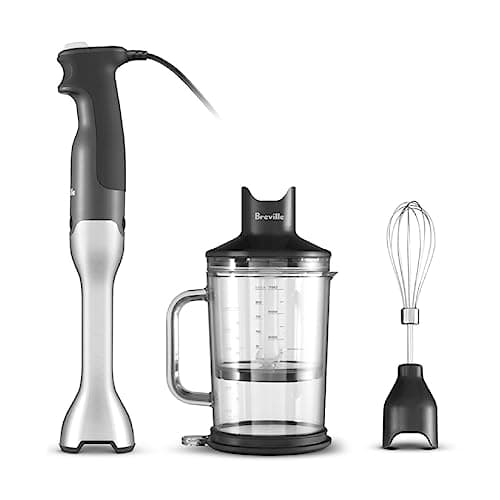
Breville Breville Control Grip BSB510XL
Breville Control Grip BSB510XL

The bell has a vent designed to stop it suction-locking to the pan — the single most common complaint about stick blenders, engineered out. One year of warranty, though.

Not fighting the pan
7.2
$147.97Amazon
03
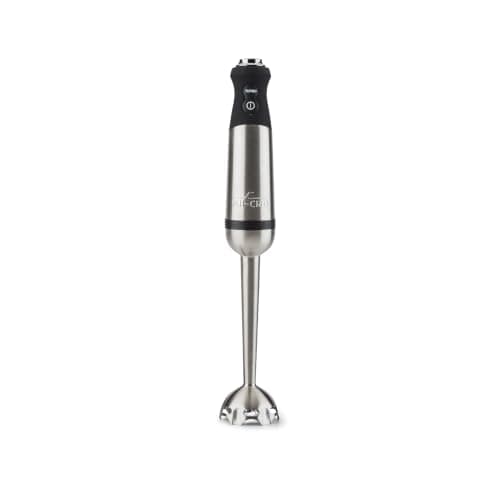
All-Clad All-Clad stainless steel immersion blender
All-Clad stainless steel immersion blender

600 watts and a two-year warranty covering parts and labor, in a body built like the pans. Priced like a premium tool and specified like one.

Power in a stick
7.8
$134.40Amazon
04
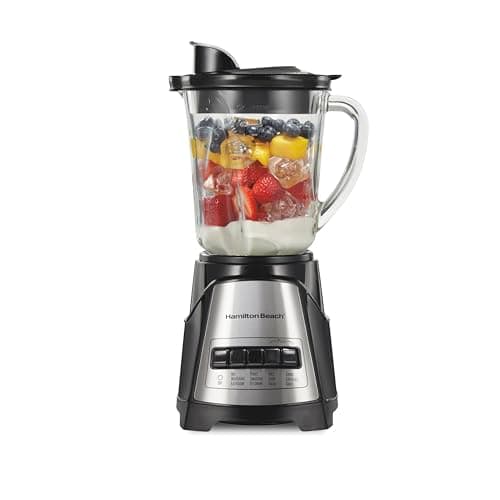
Hamilton Beach Hamilton Beach Power Elite Wave Action
Hamilton Beach Power Elite Wave Action

The cheapest machine here and the most honest about its own numbers: Hamilton Beach defines what its peak wattage means and prints the real nameplate amperage next to it.

The smallest budget
7.0
$39.95Amazon

#ad · Prices pulled live from the Amazon Product API, last checked October 18, 2026. Where we have no verified live price we show none — we would rather leave a gap than print a number that has gone stale. Scores are our own, compiled from published specs; they are not test results.

Buy the Braun MultiQuick 7if you want a powered tool for mashed potatoes. Its speed responds to how hard you squeeze the trigger, which means you can hold it at the low end and stay there — and staying at the low end for a short time is the entire technique. Before you buy anything, though: a four-dollar potato ricer makes better mash than every machine on this page, and we are not going to pretend otherwise to sell you a blender. The machines below are for people who want one tool that also does soup, sauces and baby food.

Every other ranking on this site rewards power. This one punishes it. That is not a contrarian pose — it follows from what a potato is.

Why blenders turn potatoes into glue

A cooked potato is a mass of starch granules that have swollen with water and gone soft. The goal of mashing is to separate those granules while leaving most of them intact. A blade spinning at speed does the opposite: it ruptures them and releases free starch into the mix, and free starch plus water is paste. Keep going and you get the stretchy, gluey, wallpaper-paste texture that everyone who has tried this once remembers.

This is why the usual blender logic reverses. More watts means the granules rupture sooner. A deeper vortex means the same potato passes through the blade more times. A preset programme that runs for a fixed thirty seconds is worse than a trigger you release after eight. The machine you want is the one that gives you the least blending for the shortest time with the most control — which is a sentence that appears nowhere else on this site.

It is also why a jug blender is the worst powered option, and not by a small margin. A pitcher works by recirculation: the vortex pulls the load back through the blade over and over, which is exactly the thing you are trying to avoid. You cannot blend potatoes briefly in a jug blender, because a jug blender’s whole mechanism is repetition. There is one on this page, ranked last, for the reader who already owns it and wants to know how to get away with it.

What actually decides it: three features, none of them watts

Speed control you can modulate without looking

You are working over a hot pan, one-handed, and you need to come off the power quickly. A dial you have to find and turn is worse than a trigger whose pressure sets the speed. The Braun’s variable speed responds to grip pressure, which is the single most useful feature on this page for this job. All-Clad gives you a dial plus a turbo button — the dial is good and the turbo is the button not to press.

A bell that will not suction-lock to the pan

Mashed potato is dense, and dense loads are where a stick blender’s bell grabs the bottom of the pan and sticks. When that happens you are blending one spot into paste while the rest stays lumpy — the worst of both outcomes at once. Breville publishes a vent in its bell designed specifically to stop suction lock, and in this particular load that is worth more than the 320 W it gives away to the All-Clad.

A shaft that tolerates a hot pan

You are blending in the pan the potatoes cooked in, which is the point of using a stick blender at all. A stainless shaft handles that better than a plastic one over years of doing it. All-Clad’s all-metal body is a genuine advantage here, which is why a machine whose power is a liability still earns third place.

Who each pick is for

  • Braun MultiQuick 7 —for the person who wants one powered tool and the best chance of not ruining the mash. Grip-pressure speed control, 500 W of input power rather than a peak marketing figure, and three covered years — the longest term on this page.
  • Breville Control Grip BSB510XL —for the person who has fought a stick blender stuck to the bottom of a pan and does not want to do it again. The vented bell is the right feature for a dense load, and 280 W is a feature here rather than a flaw. One year of warranty is the price.
  • All-Clad stainless steel immersion blender — for the person who wants a metal tool built like their pans, blends a lot of dense root vegetables, and has the discipline to leave the turbo button alone. Two years, covering labour as well as parts.
  • Hamilton Beach Power Elite Wave Action — for the person who already owns a jug blender and is asking whether they can use it. You can, badly, in very small batches with the pulse button only. It is on this page as the honest answer to a real question, not as a recommendation for this job.

The four, side by side

Manufacturer figures only. Every cell traces to the source list at the foot of this page; where a maker publishes nothing, the cell says so rather than carrying an estimate.
Published motorSpeed controlWhy it suits this jobWarranty
Braun MultiQuick 7 MQ7035X500 W input powerVariable, by grip pressureYou can hold it slow without looking away from the pan3 years (US)
Breville Control Grip BSB510XL280 W, no qualifier publishedTrigger plus a dial under the same handVented bell designed not to suction-lock in a dense load1 year limited
All-Clad stainless steel immersion blender600 W, no qualifier publishedVariable dial plus turboAll-metal shaft for a hot pan; the power is the risk2 years, parts and labour
Hamilton Beach Power Elite Wave Action700 W peak; 3.7 A on the rating platePulse and fixed speedsIt does not — a jug recirculates, which is the failure3 years US; 5 in Canada

The technique, since the hardware is only half of it

Drain the potatoes properly and let the steam come off for a minute — wet potatoes need more blending, and more blending is the thing to avoid. Add warm butter and warm dairybefore you blend, not after, so the fat coats the starch as it separates. Then put the bell flat on the bottom of the pan, start at the lowest speed, and move it around in short bursts of two or three seconds, lifting between bursts. Stop while there are still small lumps; they will break up as you stir in the rest of the dairy.

The mistake is holding the trigger down and waiting for smoothness. Smooth is not the target here, which is the opposite of baby food, where it is. If you want one tool that does both, that difference is the thing to understand before you buy.

If you are using a jug blender because it is what you have: quarter the batch, use pulse only, two one-second pulses at a time, and accept a denser result. Do not fill it more than a third and do not put genuinely hot potatoes in a sealed jar — blending hot liquids safely explains why the pressure, not the heat, is the thing that hurts people.

What we are not going to tell you

We have not made mashed potato in any of these machines, and we publish no texture score, no seconds-to-glue figure and no taste result, because we have no test kitchen and no manufacturer publishes anything of the kind. The starch explanation above is stated as reasoning from how a blade and a cooked potato interact, and the ranking is built from published specifications: the speed-control mechanism each maker describes, the bell design Breville publishes, the motor figure each brand states and the warranty term each warranty document actually says. Our method is published in full.

In detail

The picks, in full

01
Braun Braun MultiQuick 7 MQ7035X

Soup, most weeks

Braun MultiQuick 7 MQ7035X

3-year US warrantyInput watts, not peak
8.6/10

Three years of US warranty on a hand blender — triple what most rivals offer — and Braun publishes an input-power figure rather than a peak number.

Warranty
8.5
Hot liquids
9.5
Cleaning
9
Attachments
8
Value
8

What it gets right

  • Three years of US warranty on a hand blender, where one or two is the norm
  • Braun publishes an input-power figure rather than a peak marketing number — the honest way round
  • Variable speed responds to grip pressure, so you can modulate mid-blend without reaching for a dial
  • Comes with a chopper and whisk, which covers most of what a stick blender is asked to do

What it doesn't

  • Braun's printed manual guarantee is marked 'For UK Only' at two years — the US term is three, from Braun's own knowledge base, and the discrepancy is confusing on the box
  • No decibel figure published for the US market
  • Beaker capacity is not published anywhere we could find

What it costs to run

About $1.67 a year in electricity, at 3 minutes a day, 365 days a year and 18.34¢ per kWh.

Braun's own product data field is labeled input power and reads 500 W. That is a more conservative and more useful figure than a peak rating, because it is what the motor actually draws. The full arithmetic is published.

Skip this if…

…you want one machine for everything — a stick blender will not crush ice, will not make nut butter, and will not blend a frozen load, whatever the wattage suggests.

$109.95on Amazon

Price last checked October 18, 2026. Prices move constantly — Amazon's at checkout is the one that counts.

#ad · we may earn a commission from this link to Braun MultiQuick 7 MQ7035X

02
Breville Breville Control Grip BSB510XL

Not fighting the pan

Breville Control Grip BSB510XL

Anti-suction bell1-year warranty
7.2/10

The bell has a vent designed to stop it suction-locking to the pan — the single most common complaint about stick blenders, engineered out. One year of warranty, though.

Warranty
3.5
Hot liquids
9
Cleaning
8.5
Attachments
8.5
Value
6.5

What it gets right

  • The vented bell genuinely addresses suction lock, which is the thing that makes cheap stick blenders infuriating
  • Trigger and speed dial fall under the hand that is already holding it, so you are not adjusting a control over a hot pan
  • 42 oz jug and a 25 oz chopper included, both properly sized rather than token
  • Breville publishes a plain, unqualified watt figure

What it doesn't

  • One year of warranty against Braun's three at a similar price — the clearest reason not to buy this one
  • 280 W is modest; it is enough for soup and emphatically not enough for anything thick
  • Breville's warranty page states no term at all, deferring to the product page, which is a poor way to publish a warranty

What it costs to run

About $0.94 a year in electricity, at 3 minutes a day, 365 days a year and 18.34¢ per kWh.

Breville publishes 280 W with no qualifier — the words peak, continuous and max appear nowhere on the product page or in the US manual. The full arithmetic is published.

Skip this if…

…warranty length is how you choose — Braun offers three years on the same kind of tool for similar money, and one year is hard to justify against that.

$147.97on Amazon

Price last checked October 18, 2026. Prices move constantly — Amazon's at checkout is the one that counts.

#ad · we may earn a commission from this link to Breville Control Grip BSB510XL

03
All-Clad All-Clad stainless steel immersion blender

Power in a stick

All-Clad stainless steel immersion blender

600 W, the most hereLabor covered
7.8/10

600 watts and a two-year warranty covering parts and labor, in a body built like the pans. Priced like a premium tool and specified like one.

Warranty
7
Hot liquids
9
Power
9
Cleaning
8
Value
6

What it gets right

  • 600 W is the most powerful stick blender in this list, and it shows on a dense pan of root vegetables
  • The warranty explicitly covers labor, not just parts — a distinction most brands skip past
  • All-metal construction that tolerates heat and stains far better than a plastic shaft
  • Variable-speed dial plus a turbo function

What it doesn't

  • Two years against Braun's three, at a higher price
  • The warranty is void if bought outside All-Clad's authorized sellers, so a marketplace bargain may not be covered
  • All-Clad publishes no beaker or chopper in the box; the listed piece count is one

What it costs to run

About $2.01 a year in electricity, at 3 minutes a day, 365 days a year and 18.34¢ per kWh.

All-Clad publishes 600 W with no peak or continuous qualifier. The full arithmetic is published.

Skip this if…

…you buy from marketplace sellers — All-Clad's warranty applies to purchases from authorized sellers only, and an unauthorized bargain is an uncovered machine.

$134.40on Amazon

Price last checked October 18, 2026. Prices move constantly — Amazon's at checkout is the one that counts.

#ad · we may earn a commission from this link to All-Clad stainless steel immersion blender

04
Hamilton Beach Hamilton Beach Power Elite Wave Action

The smallest budget

Hamilton Beach Power Elite Wave Action

3-year warrantyGlass jarPeak watts, defined
7.0/10

The cheapest machine here and the most honest about its own numbers: Hamilton Beach defines what its peak wattage means and prints the real nameplate amperage next to it.

Warranty
7.5
Candor
9
Frozen
4.5
Capacity
5
Value
9

What it gets right

  • Three years of warranty at the lowest price in this list — triple what Ninja and NutriBullet offer at several times the cost
  • Hamilton Beach defines 'peak power' in its own manual and prints the true nameplate amperage, which is more candor about wattage than any premium brand here shows
  • Glass jar rather than plastic: no clouding, no odor retention, dishwasher-safe without anxiety
  • The jar pours without dripping down the side, which sounds trivial until you own one that does

What it doesn't

  • Genuinely low power — 3.7 A is a fraction of what the premium machines draw, and it shows on a full jar of frozen fruit
  • The glass jar is heavy, and 40 oz is small for a family batch
  • No tamper, no variable dial

What it costs to run

About $1.49 a year in electricity, at 3 minutes a day, 365 days a year and 18.34¢ per kWh.

Hamilton Beach publishes 700 'peak' watts and defines peak in its own manual as the draw during the first seconds of operation. The rating plate in that manual says 3.7 A max, so the real continuous draw is 3.7 A x 120 V = 444 W. We use the plate figure, because the running cost depends on what the motor draws for three minutes, not for the first second. The full arithmetic is published.

Skip this if…

…you blend frozen fruit without added liquid — at 3.7 amps this machine will stall, and no amount of pulsing changes the arithmetic.

$39.95on Amazon

Price last checked October 18, 2026. Prices move constantly — Amazon's at checkout is the one that counts.

#ad · we may earn a commission from this link to Hamilton Beach Power Elite Wave Action

Four checks before you buy a blender for mashed potatoes

1. Buy the control, not the watts

This is the inverted check and it is the important one. Ask how slowly the machine will run and how fast you can come off the power, not how fast it will go. A trigger that modulates under your fingers beats a dial, and a dial beats a fixed-speed button. A thirty-second preset programme is the worst option on offer for this load.

2. Check whether the bell is vented

A vent or a cut-away in the bell skirt is there to break the suction that otherwise glues a stick blender to the bottom of a dense pan. Only one maker on this page publishes it as a design feature. If you have ever had to wrestle one free from a pan of something thick, you already know what it is worth.

3. Decide if this tool has other jobs

If mashed potato is genuinely the main reason you are buying, buy a ricer and keep the money. A powered tool earns its place because it also makes soup in the pan, emulsifies a dressing and purees baby food — so choose on the whole set of jobs, with potatoes as the constraint rather than the target. The broader ranking is on the immersion blender buying guide.

4. Read the warranty term, and who it covers

Three years, two years and one year all appear on this page at broadly similar prices, which makes the term the cheapest thing to optimise. One of these warranties is also void if you buy outside the brand’s authorized sellers, which turns a marketplace bargain into an uncovered machine — we flag it in that product’s own skip line. The full comparison is on blender warranties compared.

And the honest alternative

A ricer or a food mill presses the potato through holes without a blade touching it, so the granules separate instead of rupturing. It is the correct tool, it costs a fraction of anything here, and it has one job. If you want fluffy mash and nothing else, that is the purchase. We would rather tell you that than rank four blenders and leave it out.
How we picked

Blenders we claim to have tested: 0

Every site in this category tells you they blended twenty smoothies. We have not blended any, and we say so. Here is what we do instead: read the manufacturer's manual and spec sheet, record the published motor rating, jar capacity and warranty term, verify the warranty against the manufacturer's own warranty document, work out what the machine costs to run for a year and show the arithmetic, and cite all of it so you can check the work. Prices come live from Amazon's API and disappear rather than go stale.

The scores above are judgments from that documented research — not test results. The full rubric, including what disqualifies a product, is published in full.

Questions

Frequently asked

Can you use a blender for mashed potatoes?

You can, and a jug blender is the worst powered way to do it. A pitcher works by pulling the load back through the blade repeatedly, which is precisely what turns potato starch to paste. If it is what you own: quarter the batch, fill the jar no more than a third, use pulse only in one-second bursts, and expect a denser result than a masher gives. A stick blender used in short bursts is far more forgiving.

Why do my mashed potatoes turn gummy in a blender?

Because the blade ruptures the swollen starch granules and releases free starch, and free starch with water behaves like paste. It is caused by blending for too long rather than by the wrong machine, which is why this ranking rewards speed control over power. Warm butter and warm dairy added before blending help, and stopping while small lumps remain helps most.

Is an immersion blender or a hand mixer better for mashed potatoes?

Neither is the best tool — a ricer is. Between the two, a hand mixer’s beaters tear at the potato rather than slicing it and are more forgiving of a few extra seconds, while an immersion blender is faster and less forgiving. The immersion blender wins on everything else it does, which is usually the real reason to own one. We compare the two tools properly on immersion blender vs hand mixer.

How long should you blend mashed potatoes?

In bursts of two or three seconds, lifting between them, and stopping while the texture is still slightly lumpy. There is no total time we can give you, because it depends on the variety, how dry the potatoes are and how much fat is already in the pan. The rule that does transfer is that the failure mode is always too much, never too little.

Will mashed potatoes damage an immersion blender?

A dense load makes the motor work hard and can make the bell suction-lock to the pan, which is a strain rather than a hazard. None of these manufacturers publishes a duty cycle or a load limit, so we cannot give you a threshold. Short bursts with the machine lifted between them is both better mash and less load on the motor, which is a rare case of the two interests pointing the same way.

Can you make mashed potatoes in a Vitamix?

We would not. A high-power pitcher with a tamper is the most efficient starch-rupturing machine in the catalogue, which is a compliment everywhere else on this site and a problem here. If a Vitamix is the only machine you own, use the pulse function, a third of a jar at a time, and the tamper only to move potato off the walls — not to push it into the blade.

Keep reading

Receipts

Sources

We do not run a testing lab and we do not pretend to. Specifications come from the manufacturer's own published documents and from published standards; prices come from the live Amazon API. Where a figure is not published, the page says “not published” rather than guessing. Read the full method.