Skip to content
BasketBlade

HUB 06 · Comparisons

Ninja DUO vs NutriBullet Combo

The two machines a 'Ninja vs NutriBullet' search usually comes down to: both a pitcher plus single-serve cups on one 1,200-watt base. For once the warranty is a tie, so something else has to decide it.

By Stephen V.Updated How we pick
#ad

We earn a commission if you buy through our links. It does not change the price you pay, and it does not decide our picks — our selection criteria are published in full. How this works.

The short answer

Quick picks

#ProductBest forScorePrice
01
NutriBullet NutriBullet 1200 W Blender Combo
NutriBullet 1200 W Blender Combo

A 64 oz pitcher and two single-serve cups on one 1200 W base — the cheapest honest way to cover both jobs with one motor.

Pitcher and cups, one base
7.5
$89.84Amazon
02
Ninja Ninja Professional Plus DUO BN751
Ninja Professional Plus DUO BN751

The BN701 with single-serve cups added. Worth the difference only if you will genuinely use the cups; identical motor, identical one-year warranty.

One machine, two jobs
7.4
$129.99Amazon

#ad · Prices pulled live from the Amazon Product API, last checked Jul 21, 2026. Where we have no verified live price we show none — we would rather leave a gap than print a number that has gone stale. Scores are our own, compiled from published specs; they are not test results.

Search “Ninja vs NutriBullet” and you are usually weighing one of two things: the compact single-serve bullet against the big full-size machine, or — if you have found the combo machines — the two products that do both jobs on one base. This page settles the second question first, because it is the closest apples-to-apples the two brands offer, and then handles the broader call underneath it.

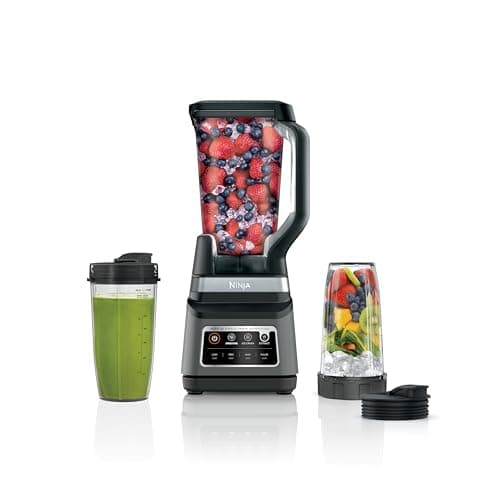
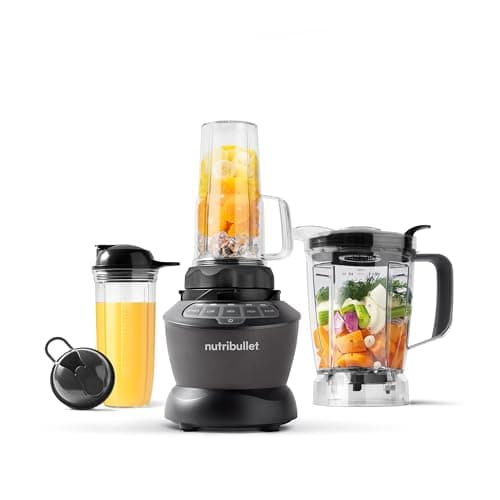
The direct match-up is the NutriBullet 1200 W Blender Combo against the Ninja Professional Plus DUO BN751. Both put a full-size pitcher and a set of single-serve, drink-from-them cups on a single motor base. Both are rated at 1,200 watts. Both carry a one-year warranty. On paper they are nearly the same machine, which is exactly why the differences that remain are the ones worth being clear about.

The two machines, side by side

Published specNutriBullet 1200 W ComboNinja Professional Plus DUO BN751
Motor1,200 W (no qualifier published)1,200 W continuous / 1,400 W peak
Full-size vessel64 oz pitcher72 oz pitcher (64 oz max liquid)
Single-serve cups32 oz + 24 oz handledSingle-serve cups included
PresetsNone — manual speedsAuto-iQ programs
Warranty1 year1 year
Published noiseNot publishedNot published
Est. running cost / yr~$3.82~$3.82
Every figure is the manufacturer’s own, cited in the Sources below. The running-cost estimate is computed from the published wattage at three minutes a day and the US average electricity rate; both machines draw 1,200 watts, so it comes out identical. The arithmetic is on the cost-to-run guide.

The watts are the same number; only one brand prints two of them

This is the first thing to see clearly, because the boxes are trying to make it invisible. NutriBullet publishes a flat 1,200 watts with no qualifier. Ninja publishes 1,200 watts continuous and 1,400 watts peak. On a like-for-like basis — what the motor actually draws while it is running — these are the same 1,200-watt motor. The Ninja simply also advertises the higher instantaneous figure, measured at the moment of maximum draw, which is not a number you can compare against a rating another brand chose not to print.

The practical upshot: do not let “1,400 peak watts” talk you into believing the Ninja is the more powerful machine. It is the more powerful marketing number. What decides frozen-fruit performance is the jar shape and whether you added liquid, not the peak figure — there is more on why in the guide to what blender wattage actually means.

Where they genuinely differ

Price, which is the honest headline

The NutriBullet Combo sits in the sub-$100 bracket; the Ninja DUO sits around the mid-$100s. That gap is the single most decision-relevant difference between them, and it is not buying you more motor — both are 1,200 watts and both are one-year machines. It is buying the bigger pitcher and the preset programs. Whether those are worth roughly forty dollars to you is the whole question. The live price on each buy button below is the number that actually counts, because both move constantly.

The pitcher and the presets

The Ninja’s 72 oz pitcher is genuinely larger than the NutriBullet’s 64 oz, and its Auto-iQ programs run a set speed-and-pause pattern and stop on their own — which matters more than it sounds when you would rather not stand over the machine. The NutriBullet Combo has no presets; you hold or twist for as long as you want it running. If you value walking away mid-blend, that is a real point for the Ninja.

The cup ecosystem

Both include drink-from-them cups, which is the entire reason to buy a combo rather than a plain pitcher blender. NutriBullet’s advantage here is breadth: its cups and blade assemblies are one of the most widely stocked accessory ranges in the category, so a cracked cup or a tired gasket is a cheap, easy replacement rather than a reason to bin the machine. That matters, because on both of these the gasket is the part most likely to fail first, and neither warranty covers cups or accessories.

What each one is bad at

Both are stacked-blade personal-style systems with no tamper, so both struggle with the same jobs a full-size tamper machine handles: nut butter, very thick low-liquid smoothie bowls, and a jar packed with nothing but frozen fruit. If those are your main jobs, neither of these is your machine — you want a high-power blender with a tamper instead, and the extra spend is justified there in a way it is not here.

Both carry the shortest warranty in the blender market — one year — which is the norm for this class and a genuine mark against paying up for either. And both publish no decibel figure, so if quiet operation matters to you, neither brand gives you anything to check.

The decision rule. Buy the NutriBullet Combo if price is the deciding factor and you want the simplest possible pitcher-plus-cups setup — it does the same two jobs at 1,200 watts for roughly forty dollars less, and its cups are the easier ones to replace. Buy the Ninja DUO only if you will actually use the preset programs and want the larger 72 oz pitcher — that is what the extra money buys, and nothing else here does. Warranty and running cost are identical, so let neither of them enter the decision.

The broader call: big Ninja vs compact NutriBullet

If you are not looking at the combo machines at all — if the real question is a full-size Ninja against a compact NutriBullet — then this is not a “which is better” question, it is a format question, and it has a cleaner answer.

A full-size Ninja like the Professional Plus BN701is a batch machine: 64 oz of usable capacity, real power for frozen loads, a pitcher you make a family’s worth of smoothie in. A NutriBullet like the Pro 900 is a single-serve machine: one cup, blended in the vessel you drink from, small enough to leave on the counter. Neither is a worse version of the other; they are built for different amounts of food. Decide how many people you blend for most days, and the format picks itself — the personal-blender hub covers the compact side and the countertop hub covers the full-size side.

And if this comparison has talked you out of a combo machine altogether because you only ever really make one thing, the fastest next step is a straight price-ranked shortlist: the best blenders under $100 is where both of these sit, alongside the single-purpose machines that might suit you better.

What this comparison is not

It is not a head-to-head test. We have not run the same smoothie through both machines, because we do not own them and do not pretend to. Every figure above is taken from the manufacturers’ own specification pages and warranty documents, listed in full below, and the scores are our reading of that published data rather than a bench result. You can check every number, and disagree with the conclusion while accepting the facts — which is a perfectly reasonable place to land. The full method is published.
In detail

The picks, in full

01
NutriBullet NutriBullet 1200 W Blender Combo

Pitcher and cups, one base

NutriBullet 1200 W Blender Combo

Pitcher + two cups1-year warranty
7.5/10

A 64 oz pitcher and two single-serve cups on one 1200 W base — the cheapest honest way to cover both jobs with one motor.

Warranty
3.5
Versatility
9
Frozen
7.5
Capacity
8.5
Value
9

What it gets right

  • One 1200 W base covers a family pitcher and two single-serve cups, at less than the price of most standalone full-size machines
  • 64 oz pitcher is genuine batch capacity, not a token one
  • NutriBullet publishes a plain unqualified watt figure rather than a peak number
  • Cups and blades are the standard NutriBullet parts, which are easy to replace

What it doesn't

  • One-year warranty, and NutriBullet's terms exclude cups and accessories
  • No tamper, so thick low-liquid mixtures in the big pitcher mean stopping and scraping
  • Two vessel systems is more to store than a single-jar machine

What it costs to run

About $3.82 a year in electricity, at 3 minutes a day, 365 days a year and 17.45¢ per kWh.

NutriBullet publishes 1200 W with no peak or continuous qualifier. The full arithmetic is published.

Skip this if…

you will only ever use the pitcher — you are paying for cups you will store in a cupboard, and a single-jar machine at the same price gives you a longer warranty.

$89.84on Amazon

$99.9910% off

Price last checked Jul 21, 2026. Prices move constantly — Amazon's at checkout is the one that counts.

#ad · we may earn a commission from this link to NutriBullet 1200 W Blender Combo

02
Ninja Ninja Professional Plus DUO BN751

One machine, two jobs

Ninja Professional Plus DUO BN751

Full jar + single-serve cups1-year warranty
7.4/10

The BN701 with single-serve cups added. Worth the difference only if you will genuinely use the cups; identical motor, identical one-year warranty.

Warranty
4
Thick loads
6.5
Frozen
8
Versatility
9
Value
8.5
Convenience
8.5

What it gets right

  • Replaces a full-size blender and a bullet blender with one motor base and one footprint
  • Same published 1,200 W continuous motor as the BN701, so nothing is given up on the full-jar side
  • The single-serve cups take a drinking lid, which is the whole point of owning a personal blender
  • Auto-iQ programs on both vessels

What it doesn't

  • One-year warranty, same as the rest of the Ninja line
  • More parts to store and to wash than the single-pitcher BN701
  • If the cups end up in a cupboard, you paid a premium for a BN701

What it costs to run

About $3.82 a year in electricity, at 3 minutes a day, 365 days a year and 17.45¢ per kWh.

Ninja publishes 1,200 watts continuous and 1,400 watts peak for this model. The running-cost arithmetic uses the continuous figure. The full arithmetic is published.

Skip this if…

you already own a personal blender you like — this is the BN701 with cups, at a premium, and a second set of cups is not worth a new machine.

$129.99on Amazon

$149.9913% off

Price last checked Jul 21, 2026. Prices move constantly — Amazon's at checkout is the one that counts.

#ad · we may earn a commission from this link to Ninja Professional Plus DUO BN751

How we picked

Blenders we claim to have tested: 0

Every site in this category tells you they blended twenty smoothies. We have not blended any, and we say so. Here is what we do instead: read the manufacturer's manual and spec sheet, record the published motor rating, jar capacity and warranty term, verify the warranty against the manufacturer's own warranty document, work out what the machine costs to run for a year and show the arithmetic, and cite all of it so you can check the work. Prices come live from Amazon's API and disappear rather than go stale.

The scores above are judgments from that documented research — not test results. The full rubric, including what disqualifies a product, is published in full.

Questions

Frequently asked

Is Ninja or NutriBullet better?
Neither is better in the abstract — it depends on format and price. For the same two jobs on one base, the NutriBullet 1200 W Combo does it for roughly forty dollars less than the Ninja DUO at the same 1,200 watts and the same one-year warranty. The Ninja earns the difference only if you want its preset programs and larger 72 oz pitcher. For a big full-size machine against a compact single-serve one, it is a format decision rather than a brand one.
Is the Ninja's 1,400 peak watts more powerful than the NutriBullet's 1,200 watts?
Not in the way the box implies. Ninja publishes 1,200 watts continuous and 1,400 watts peak; NutriBullet publishes a flat 1,200 watts. The continuous figure — what the motor draws while running — is the same 1,200 watts on both. The 1,400 is a peak measured at maximum draw, which is not comparable against a rating the other brand did not print.
Which one has the better warranty?
Neither — they are identical at one year, which is unusual for this site because warranty length is normally what separates two machines. Here it does not, so the decision has to rest on price, pitcher size and whether you will use the presets.
Can either make nut butter or thick smoothie bowls?
Both struggle with them. Neither has a tamper, so a thick, low-liquid load has nowhere to circulate and jams above the blades. For nut butter or dense bowls you want a high-power machine with a tamper instead, where the extra spend is genuinely justified.
Which is cheaper to run?
They cost the same. Both draw 1,200 watts, so at three minutes a day and the US average electricity rate each comes to roughly $3.82 a year. Running cost should not enter this decision at all.

Keep reading

Receipts

Sources

We do not run a testing lab and we do not pretend to. Specifications come from the manufacturer's own published documents and from published standards; prices come from the live Amazon API. Where a figure is not published, the page says “not published” rather than guessing. Read the full method.