HUB 07 · Guides
Protein Powder in a Blender
Yes, you can, and it is better than a shaker for anything more than powder and liquid. The trick is the order you add things and rinsing before it dries. A short, practical method.
We earn a commission if you buy through our links. It does not change the price you pay, and it does not decide our picks — our selection criteria are published in full. How this works.
Yes — a blender handles protein powder without any trouble, and unlike a shaker bottle it also folds in frozen fruit, oats, banana and nut butter in the same drink. The only things worth getting right are the order you add ingredients and rinsing the cup before the powder dries. Do those two, and a blended protein shake is smoother and more capable than a shaken one.
The order of operations matters
Add ingredients in this order and clumping mostly takes care of itself:
- Liquid first. Water, milk or a milk alternative goes in before the powder, so the powder lands on liquid rather than on the dry blades where it cakes.
- Powder next. On top of the liquid, so it starts wetting immediately instead of packing into the base around the blade.
- Solids last. Frozen fruit, banana, oats and nut butter go on top, where their weight helps push everything down into the blades.
The single most common mistake is dumping powder onto dry blades first; it packs under the blade assembly and you get a dry clump the blender spins right past. Liquid first solves it.
Why a blender beats a shaker here
A shaker disperses soluble powder into liquid and stops there. A blender does that and liquefies whole foods a shaker leaves in lumps: a frozen banana, a handful of berries, a scoop of oats, a spoon of peanut butter. If your shake is only ever powder and liquid, a shaker is genuinely enough — the honest version of that decision is on do you need a blender for protein shakes. The blender wins the moment real food is involved.
Avoiding clumps and foam
Beyond adding liquid first, two small things help. Blend in a short burst rather than a long one — over-blending whey especially can whip air into it and produce foam. And if you use a thick powder or a lot of it, a splash more liquid keeps the mixture moving so the blades are not trying to cut through a paste. A personal blender’s inverted cup helps here, because gravity pulls the mixture onto the blades.
Clean it immediately — this is the real catch
Protein powder cements to a cup or jar once it dries, and dried protein is genuinely hard to scrub off. Rinse the vessel the moment you finish the shake, or half-fill it with warm water and a drop of dish soap and run the blender for a few seconds to self-clean. Leaving a protein cup in the sink until evening is how the gasket area and the base end up crusted, and on a bullet blender the gasket is the part that fails first.
Which machine
For a single protein shake, a personal blender like the NutriBullet Pro is the natural tool: blend and drink from the same cup. For batches or thick, nut-butter-heavy shakes, a full-size machine like the Ninja BN701 has the capacity and headroom. Both are ranked for this exact job on the roundup.
The hardware
The hardware this guide is about
The products this guide refers to, with prices pulled live from Amazon and dated on every card. Full rankings live in the roundups linked above.
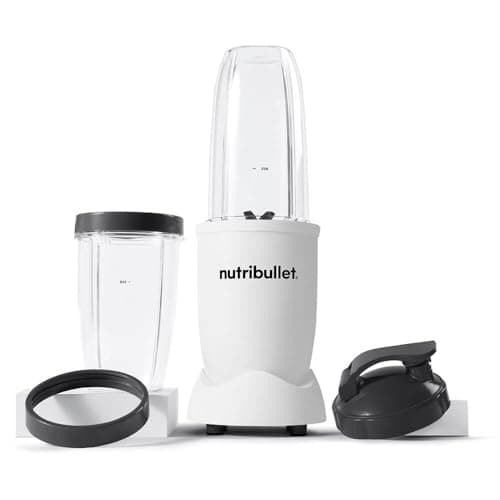
Everyday shakes
NutriBullet Pro (900 W)
The default bullet blender, and a good one. Note that NutriBullet's own product page contradicts itself about which cups are in the box.
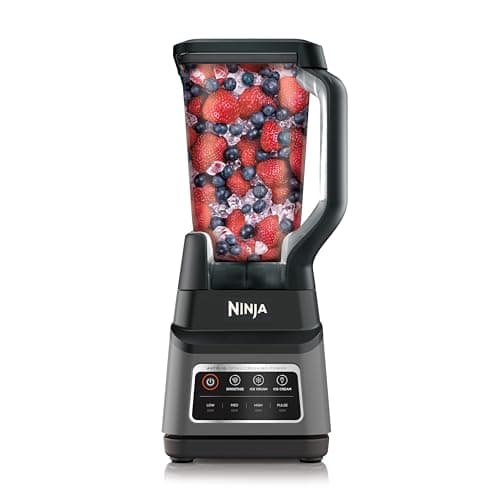
Most kitchens
Ninja Professional Plus BN701
The one brand here that publishes both a continuous and a peak wattage instead of only the flattering one. A large pitcher and real power for about a fifth of the premium price.
#ad · As an Amazon Associate we earn from qualifying purchases.
Questions
Frequently asked
Can you put protein powder in a blender?
Yes, easily — and a blender does more than a shaker, because it also incorporates frozen fruit, oats, banana and nut butter. Add the liquid first, then the powder, then any solids, so the powder lands on liquid rather than caking on dry blades. Rinse the cup immediately, because dried protein is hard to remove.
How do you keep protein powder from clumping in a blender?
Does protein powder damage a blender?
Keep reading
Related
Receipts
Sources
We do not run a testing lab and we do not pretend to. Specifications come from the manufacturer's own published documents and from published standards; prices come from the live Amazon API. Where a figure is not published, the page says “not published” rather than guessing. Read the full method.