HUB 07 · Guides
How Long Does a Smoothie Last in the Fridge?
Every other result gives you a confident number with nothing behind it. The FDA publishes two rules that genuinely apply here and no day count for a drink like this - so this page gives you the rules, the mechanism, and no invented figure.
We earn a commission if you buy through our links. It does not change the price you pay, and it does not decide our picks — our selection criteria are published in full. How this works.
The honest answer is that no federal food-safety source publishes a number of days for a homemade smoothie, so this page does not give you one. What the US FDA does publish, and what genuinely applies, is two rules: keep the refrigerator “at or below 40° F (4° C)”, and follow the two-hour rule for anything that needs refrigerating. Its guidance for ready-to-eat foods is to use them as soon as possible and to check daily for spoilage. If you want a single practical instruction: refrigerate it immediately in a sealed container, and drink it the same day or the next.
You will find “three to four days” repeated across a lot of pages. We are not going to repeat it, because we could not find a federal document that says it about a drink like this, and a number with no source behind it is exactly the kind of claim this site exists not to publish.
The two rules the FDA actually publishes
40° F or below
FDA guidance is explicit: “Keep the refrigerator temperature at or below 40° F (4° C).” This is the one number on this page worth owning a thermometer for, because refrigerator dials are frequently wrong and a fridge running warm changes every other judgement you might make about keeping food.
The two-hour rule
In the FDA’s own words: “Never allow meat, poultry, seafood, eggs, or produce or other foods that require refrigeration to sit at room temperature for more than two hours—one hour if the air temperature is above 90° F.” A smoothie made of produce and often dairy sits squarely in that category. The clock runs on the counter, in a bag and in a car, and it does not reset when you finally put the drink in the fridge.
That second rule is the one that matters most in practice, because the common failure is not a smoothie kept too many days. It is a smoothie that spent the morning in a warm gym bag.
What actually changes in the glass — and which changes are only cosmetic
Three things happen to a blended drink over hours, and it is worth separating them, because two are harmless and the third is the one you cannot see.
Separation — cosmetic
The solids settle and the liquid rises. This begins within minutes and tells you nothing at all about safety. Shake or stir it and it comes back. A narrow sealed vessel separates less visibly than a wide one, which is why a bullet cup looks better after four hours than a pitcher does.
Browning and flavour loss — cosmetic, mostly
Blending ruptures cell walls and exposes a large surface area to air, so enzymatic browning happens fast — fastest with banana, apple and avocado. The drink goes dull brown or grey-green and tastes flatter. Acid slows it down, which is the real reason so many smoothie recipes contain lemon or lime juice. Colour change on its own is not spoilage, but it is also not nothing: a drink that tastes flat is a drink you will not finish.
Microbial growth — the one that counts, and the one you cannot judge
This is why the two rules above exist, and it is the reason we will not hand you a comfortable day count. You cannot see, smell or taste the early stages, which is exactly why federal guidance is framed as temperature and time rather than as appearance. If a smoothie has been warm, or you are not sure how long it has been out, the colour of it is not evidence either way.
A fourth change is specific to smoothies and purely practical: if the thickness came from ice, it dilutes as the ice melts. A smoothie made with frozen fruit instead of ice holds its texture far better, which is one of several reasons we prefer it — see do you have to thaw frozen fruit before blending.
If you are going to blend ahead anyway
Blending ahead is a reasonable thing to want, and the useful advice is about handling rather than about a shelf-life number.
- Into the fridge immediately, not after breakfast. The two-hour clock is the binding constraint and it starts when the machine stops.
- Fill the container to the top and seal it. Less headroom means less air against the drink, which slows the browning. This is the one place a sealed single-serve cup is genuinely better hardware than a pitcher.
- Add the acid. Lemon or lime juice measurably slows enzymatic browning and costs nothing.
- Keep the dairy out until you drink it if you can. Blend the fruit base, then add milk, yogurt or kefir at the point of drinking.
- Or freeze instead of refrigerating. Freezing is the actual answer to batch prep: portion the blended base into the freezer and move one portion to the fridge the night before. It also sidesteps this whole question.
- Prep the ingredients rather than the drink. Freezer bags of pre-portioned fruit and greens, blended fresh in sixty seconds, is better than any stored smoothie and is what we would actually do.
The hardware answer: do not store it at all
The reason the picks below are mostly sealed single-serve machines is that they make the storage question disappear. You blend into the cup, you screw on a lid, you drink from the same vessel — nothing is decanted, nothing sits in a jug, and there is no second container to wash or to leave on the counter. The NutriBullet Pro (900 W) and the cheaper NutriBullet 600 are exactly this pattern, and the Beast GO Cordless does it away from a socket entirely.
A full-size pitcher like the Vitamix 5200is the right buy for a household batch, and then the storage question is real, because a 64 oz jar of smoothie is four servings and three of them are going somewhere. If that is your pattern, seal the portions individually and fill them full. The single-serve rankings are on best personal blenders for smoothies, and the big-batch ones on best blenders for family smoothies.
One hardware warning that belongs here: a sealed cup is for cold drinks. Never seal a blending cup on anything hot — the pressure, not the heat, is what injures people, and it has its own page at blending hot liquids safely. The broader list of what should not go in a blender at all is on what you should not put in a blender.
What we are not going to tell you
We are not a food-safety authority and we are not going to impersonate one. We publish no day count, no “lasts three days” figure, no shelf life by ingredient, and no test of any kind, because we have run none and because the federal sources we can cite do not publish one for a drink like this. What this page contains is two verbatim FDA rules, a description of the mechanisms by which a blended drink changes, and the handling practices that follow from them.
Your own judgement, and the FDA guidance to use ready-to-eat foods as soon as possible and check daily for spoilage, outrank anything on this page. When in doubt, throw it out — a smoothie costs a dollar of fruit. Our method, and what disqualifies a claim, is published in full.
Four checks if you blend ahead
1. Check what your fridge is actually running at
FDA guidance is 40° F (4° C) or below, and refrigerator dials are often wrong. A cheap fridge thermometer is the single most useful thing on this list, and it improves every other food decision in the house rather than just this one.
2. Buy a vessel you can fill to the top and seal
Headroom is air, and air is what browns a smoothie. A sealed single-serve cup filled full beats a half-empty jug every time. If you are buying hardware specifically to blend ahead, this is the feature to buy — not power.
3. Decide whether you are storing the drink or the ingredients
Storing pre-portioned fruit in the freezer and blending fresh takes sixty seconds in the morning and removes this question entirely. It is the better pattern, and it means you can buy on texture and capacity rather than on storage.
4. If it is going in a bag, remember the clock is running
Two hours at room temperature, one hour above 90° F, per the FDA’s own wording. A smoothie in a gym bag or a warm car is the realistic failure case — not one kept a day too long in a properly cold fridge. An insulated bottle is worth more here than any upgrade to the blender.
The hardware
The hardware this guide is about
The products this guide refers to, with prices pulled live from Amazon. Prices last checked October 18, 2026. Where we have no verified live price we show none rather than a stale number. Full rankings live in the roundups linked above.
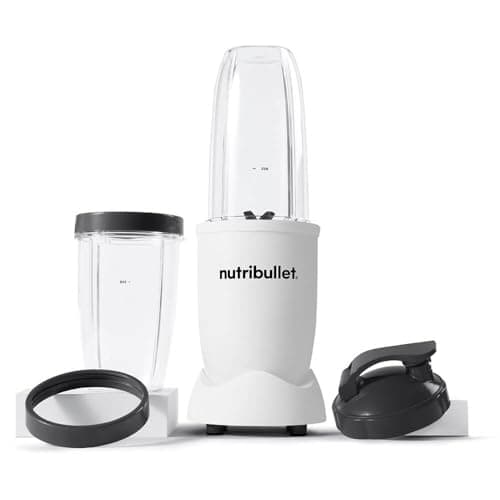
Everyday shakes
NutriBullet Pro (900 W)
The default bullet blender, and a good one. Note that NutriBullet's own product page contradicts itself about which cups are in the box.
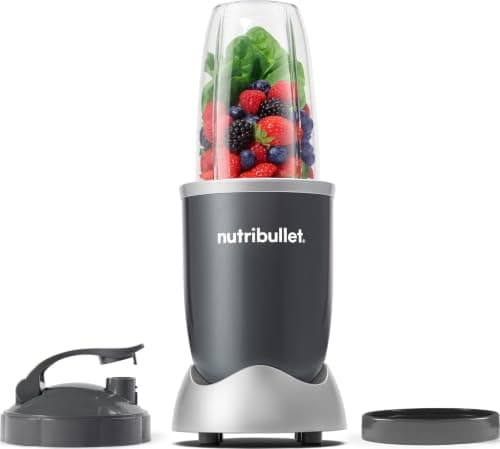
One modest shake
NutriBullet 600
The entry point, and the only machine here that ships a genuinely small cup. 600 watts is enough for the job it is actually bought for.
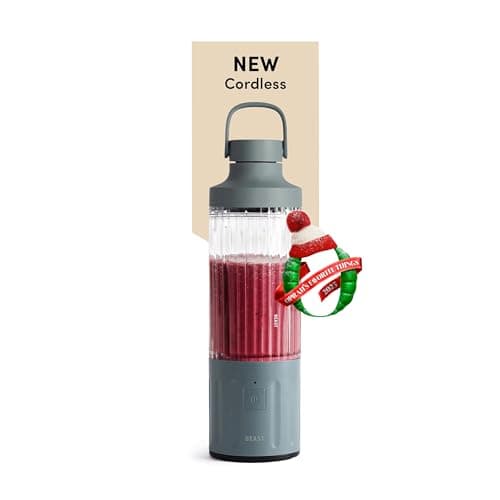
Blending away from a socket
Beast GO Cordless
A cordless blender that publishes no wattage at all — only a battery voltage. That is not evasion; there is no meaningful watt figure to publish, and most rivals invent one anyway.
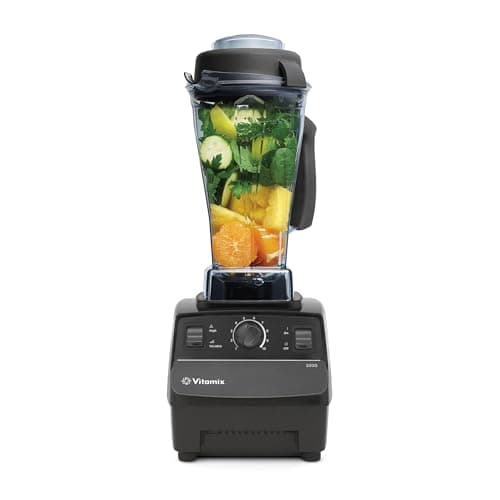
Buying once
Vitamix 5200
The seven-year warranty is the product. A machine with a fully variable dial, a tall narrow jar and a tamper, backed longer than almost anything else at any price.
#ad · As an Amazon Associate we earn from qualifying purchases.
Questions
Frequently asked
How long does a homemade smoothie last in the fridge?
No federal source we can cite publishes a day count for a drink like this, so we do not publish one either. The FDA guidance that applies is to keep the refrigerator at or below 40° F, to use ready-to-eat foods as soon as possible, and to check daily for spoilage. Practically: refrigerate it immediately in a sealed, full container and drink it the same day or the next.
How long can a smoothie sit out of the fridge?
The FDA’s two-hour rule applies: never allow produce or other foods that require refrigeration to sit at room temperature for more than two hours — one hour if the air temperature is above 90° F. The clock runs on the counter, in a bag and in a car, and putting the drink in the fridge afterwards does not reset it.
Why did my smoothie turn brown in the fridge?
Enzymatic browning. Blending exposes a very large surface area to air, and banana, apple and avocado brown fastest. It is a colour and flavour change rather than evidence of spoilage — though it is also not evidence of safety. Filling the container to the top, sealing it, and adding lemon or lime juice all slow it down.
Is it normal for a smoothie to separate?
Yes, and it starts within minutes. The solids settle and the liquid rises; stirring or shaking brings it back and it tells you nothing about whether the drink is still good. A narrow sealed cup shows it far less than a wide pitcher does.
Can you freeze a smoothie instead?
Freezing is the better answer to batch prep, and it avoids this question altogether: portion the blended base, freeze it, and move one portion to the fridge the night before. Better still, freeze the pre-portioned ingredientsand blend fresh — it takes about a minute and the texture is far better.
Does keeping a smoothie destroy its fiber?
No. Fiber is defined by molecular structure rather than by freshness or particle size, so neither blending nor storing changes the amount of it in the glass — we quote the FDA’s own definition on does blending destroy fiber. What storage changes is colour, flavour, texture and, if it has been warm, safety.
Keep reading
Related
- GuidesThe hub this explainer sits in.
- Does blending destroy fiber?The other thing people assume blending damages, answered from the FDA definition.
- Best personal blenders for smoothiesSealed cups make the storage question disappear.
- How to make a smoothieIngredient order and ratios, including the acid that slows browning.
- Do you have to thaw frozen fruit before blending?Why frozen fruit holds texture where ice dilutes it.
- Blending hot liquids safelyNever seal a blending cup on anything hot.
Receipts
Sources
- US FDA — Refrigerator Thermometers: Cold Facts about Food Safety (40 °F or below; the two-hour rule)
- US FDA — Are You Storing Food Safely? (the two-hour rule in full; ready-to-eat foods used as soon as possible)
- NutriBullet — Pro product page
- NutriBullet — 600-series product page
- NutriBullet — warranty terms
- Beast Health — GO Cordless product page
- Beast Health — warranty terms
- Vitamix — 5200 product page and specification table
- Vitamix — 7-Year Full Warranty terms
We do not run a testing lab and we do not pretend to. Specifications come from the manufacturer's own published documents and from published standards; prices come from the live Amazon API. Where a figure is not published, the page says “not published” rather than guessing. Read the full method.