Skip to content
BasketBlade

HUB 06 · Comparisons

Alternatives to a Magic Bullet

The Magic Bullet is not a weak blender. It is a chopper and a shake-maker that got sold as a blender, and almost everyone looking for an alternative is looking for the same machine with enough power to handle frozen fruit. Here is which one that is.

By Stephen V.Updated How we pick
#ad

We earn a commission if you buy through our links. It does not change the price you pay, and it does not decide our picks — our selection criteria are published in full. How this works.

The short answer

Quick picks

#ProductBest forScorePrice
01
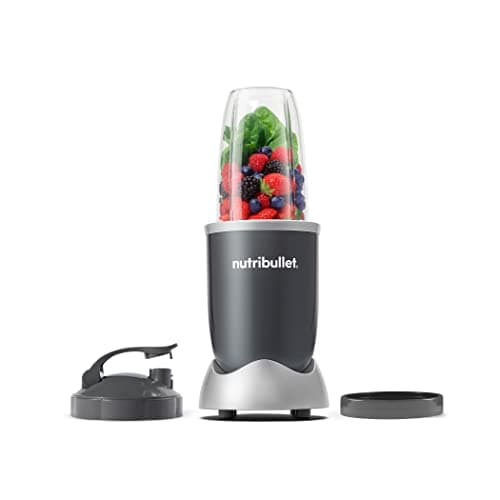
NutriBullet NutriBullet 600
NutriBullet 600

The entry point, and the only machine here that ships a genuinely small cup. 600 watts is enough for the job it is actually bought for.

One modest shake
7.1
Check priceAmazon
02
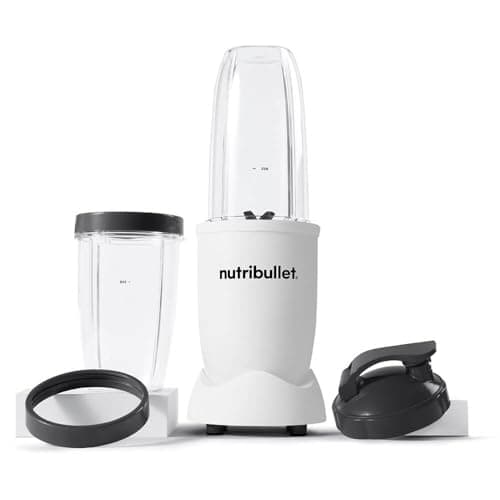
NutriBullet NutriBullet Pro (900 W)
NutriBullet Pro (900 W)

The default bullet blender, and a good one. Note that NutriBullet's own product page contradicts itself about which cups are in the box.

Everyday shakes
7.4
$85.99Amazon
03
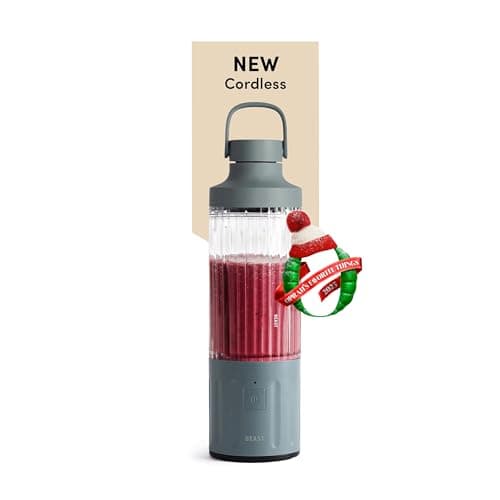
Beast Health Beast GO Cordless
Beast GO Cordless

A cordless blender that publishes no wattage at all — only a battery voltage. That is not evasion; there is no meaningful watt figure to publish, and most rivals invent one anyway.

Blending away from a socket
6.5
$91.20Amazon
04
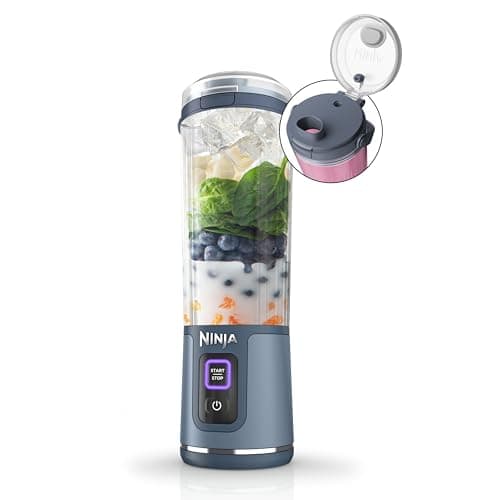
Ninja Ninja Blast BC151
Ninja Blast BC151

The cheapest way to blend away from a socket. Ninja's own spec table lists its wattage as zero, which is a data-entry failure but an accidentally honest one.

The cheapest portable
5.4
$39.99Amazon
05
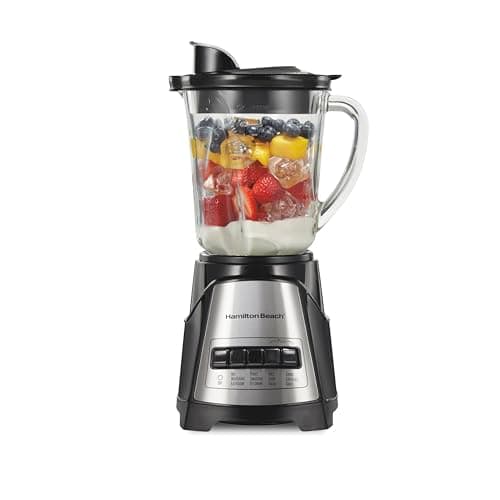
Hamilton Beach Hamilton Beach Power Elite Wave Action
Hamilton Beach Power Elite Wave Action

The cheapest machine here and the most honest about its own numbers: Hamilton Beach defines what its peak wattage means and prints the real nameplate amperage next to it.

The smallest budget
7.0
$39.95Amazon

#ad · Prices pulled live from the Amazon Product API, last checked November 23, 2026. Where we have no verified live price we show none — we would rather leave a gap than print a number that has gone stale. Scores are our own, compiled from published specs; they are not test results.

The closest alternative is the NutriBullet 600. It keeps everything people actually like about a Magic Bullet — screw the cup onto the blade, blend, drink from the cup, cheap replacement parts — and replaces the one number that limits it: 600 watts instead of 250, with a 24 oz tall cup and an 18 oz short cup published as specifications, which Magic Bullet does not do for any of its cups. It is for the person who wants the same machine to work on frozen berries. The budget pick is the Hamilton Beach Power Elite: cheaper than most of this list, with a 40 oz glass jar and three years of warranty, for anyone whose real conclusion is “I wanted a jar, not a cup.” Live prices with the date they were checked sit in the table above.

Who each alternative is for, in one line

  • NutriBullet 600— for the same format with enough power to be a blender: the most direct swap on this page.
  • NutriBullet Pro (900 W)— for the household where two people want a cup each, on a published 900 W motor.
  • Beast GO Cordless— for blending away from a socket, with two years of warranty and figures published for cycles per charge.
  • Ninja Blast BC151— for the cheapest cordless route, from a brand with a real service operation behind it.
  • Hamilton Beach Power Elite— the budget pick: a glass jar and three years of cover, if a cup was never the point.

What a Magic Bullet actually is, from its own page

Three facts, all from Magic Bullet’s own product page, and they explain every complaint about the machine. It is a 250 W motor base, with no peak or continuous qualifier. It ships a tall cup, a short cup and a party mug, and publishes no ounce figure for any of them— unusual and genuinely unhelpful. And it carries one yearof warranty, administered under NutriBullet’s terms, which exclude cups and accessories.

Two hundred and fifty watts is a quarter of a mainstream bullet blender and a sixth of a full-size machine. That is not a defect; it is a category. It genuinely is good at dressings, dips, chopping small quantities and a soft shake, and the eleven pieces mean a cup for most small tasks without washing in between. The disappointment comes entirely from buying it as a smoothie machine. Our Magic Bullet review is the full reading.

What the Magic Bullet does that nothing here beats

Price. It is the cheapest machine in this entire catalog by a wide margin, and every alternative on this page costs more — in most cases substantially more. If your use is genuinely a vinaigrette, a dip and the occasional milkshake, the honest answer is that you already own the right tool and there is nothing on this page worth the upgrade.

Piece count, too. Eleven pieces is more vessels than any alternative here ships, and in a kitchen that chops small quantities often, that is a real convenience rather than a marketing number.

The upgrade that actually changes the outcome

It is not watts in the abstract — it is whether the machine can move a frozen load. The mechanism that makes bullet blenders work above their apparent power is the inverted cup: you screw the vessel onto the blade and turn it upside down, so gravity pulls the load onto the blade instead of away from it. The Magic Bullet uses the same geometry; it simply has not got the motor behind it.

The NutriBullet 600 is the same geometry at 600 W, which is enough for banana, yogurt, powder and a handful of frozen berries. The Pro is 900 W with two 32 oz cups. Both are in the same accessory ecosystem, so cups, lids and blade assemblies are widely sold — which matters, because the gasket is the usual failure on this format. NutriBullet vs Magic Bullet is that step priced out, and NutriBullet 600 vs Pro decides between the first two picks here.

Where the alternatives are honestly worse

The cordless pair give up power, not gain it. The Beast GO publishes no wattage at all— only a 3-cell 11.1 V battery — and SharkNinja’s own table lists the Ninja Blast at 0 watts and 0 peak watts, with a 7.4 V base as the only power figure. Those are not evasions; a battery motor has no meaningful mains wattage, and most rivals invent one anyway. But a cordless machine is for soft fruit, powder and liquid, which is close to what a Magic Bullet is for. Buy one for portability, not for capability.

The warranty does not improve much. The two NutriBullets are one year with cups and accessories excluded, exactly like the Magic Bullet. The two machines on this page that do better are the Beast GO at two years (household use, USA and Canada) and the Hamilton Beach at three years US, five in Canada on the whole machine. Blender warranties compared has every term.

The honest figures nobody publishes

No machine on this page publishes a decibel number. Every NutriBullet watt figure here is unqualified — no peak, no continuous — which is better than a bare peak claim and worse than Ninja’s labelled pair. The Beast GO is the outlier that does better than its class: it publishes 13 blending cycles of 30 seconds per charge, a sub-two-hour charge time, and a 500 mL blending capacity stated separately from its 670 mL total volume — which is the honest way to state capacity, since you cannot fill a blender to the brim.

The Hamilton Beach is the other honest outlier. It publishes 700 “peak” watts, defines peak in its own manual as the first-seconds draw, and prints the rating plate beside it: 120 V, 60 Hz, 3.7 A max. That is 444 W of real continuous draw, and we use it rather than the 700. Blender wattage explained covers why that distinction matters.

What these cost to run for a year

At 18.16¢ per kWh and this site’s standard assumption of 3 minutes a day, 365 days a year: the Pro at about $2.98, the NutriBullet 600 at about $1.99, the Hamilton Beach at about $1.47 on its rating-plate draw, and the Magic Bullet itself at about $0.83. Neither cordless machine has a published wattage, so neither has a running-cost line — we leave the gap. The whole spread is a couple of dollars a year. What a blender costs to run shows the sum.

Which to skip

Skip the NutriBullet 600 if you blend mostly frozen fruit with little liquid: 600 W in a narrow cup stalls on that, and repeatedly pulsing a stalled motor is how it gets cooked. Skip the Pro if you want a small drink — 32 oz is its smallest cup. Skip both cordless machines if frozen fruit is the point. Skip the Hamilton Beach if you wanted to drink from the vessel you blended in, because it is a jar machine and that is the whole difference.

If what you actually want is the quietest or most powerful single-serve machine rather than the closest substitute, best bullet blenders ranks the format properly, and alternatives to a NutriBullet is the same question one tier up.

What we have not done

We own none of these machines and we have blended nothing. Every wattage, cup size, battery figure and warranty term above is read off the manufacturer’s own product page, manual or warranty document, all cited below — including the missing cup capacities and the zero-watt listing, which we report rather than fill in. Nothing here is a test result and we claim no tests. Prices come live from Amazon with the date they were checked.

In detail

The picks, in full

01
NutriBullet NutriBullet 600

One modest shake

NutriBullet 600

18 oz cup — genuinely small1-year warranty
7.1/10

The entry point, and the only machine here that ships a genuinely small cup. 600 watts is enough for the job it is actually bought for.

Warranty
3.5
Frozen
5.5
Convenience
9
Cleaning
8.5
Value
9

What it gets right

  • The 18 oz short cup is the only properly single-serving vessel in this list; everything else starts at 22 oz and goes up
  • 600 W is enough for banana, yogurt, powder and a handful of frozen berries, which is what most people actually make
  • Cheapest way into the NutriBullet accessory ecosystem, where replacement cups and blades are easy to find
  • Small enough to leave out on a worktop without it dominating

What it doesn't

  • 600 W is the least power here and it shows on a cup packed with frozen fruit
  • One-year warranty
  • No variable speed — it runs at one speed and you control it by how long you press

What it costs to run

About $1.99 a year in electricity, at 3 minutes a day, 365 days a year and 18.16¢ per kWh.

NutriBullet publishes 600 W with no peak or continuous qualifier. The full arithmetic is published.

Skip this if…

…you blend mostly frozen fruit with little liquid — at 600 watts in a narrow cup, that load stalls, and pulsing it repeatedly is how the motor gets cooked.

Check price on Amazon →

No buyable offer at the last price check (November 23, 2026). We show nothing rather than a stale number.

#ad · we may earn a commission from this link to NutriBullet 600

02
NutriBullet NutriBullet Pro (900 W)

Everyday shakes

NutriBullet Pro (900 W)

Blend-and-go cupCups not covered by warranty
7.4/10

The default bullet blender, and a good one. Note that NutriBullet's own product page contradicts itself about which cups are in the box.

Warranty
3.5
Frozen
7.5
Convenience
9.5
Cleaning
8
Value
8.5

What it gets right

  • Inverted cup design puts gravity on the blades' side, which is genuinely why bullet blenders handle frozen fruit better than their wattage suggests
  • You drink from the vessel you blended in — the entire reason to own one
  • Replacement cups, lids and blade assemblies are widely sold, which matters because the gasket is the usual failure
  • 900 W is real power for a single serving

What it doesn't

  • One-year warranty, and it explicitly excludes the cups and accessories — the parts that actually fail
  • Two 32 oz cups and nothing smaller, so a single modest shake is blended in a vessel bigger than it needs
  • Sealed cup: not for hot liquid, and the manual says so

What it costs to run

About $2.98 a year in electricity, at 3 minutes a day, 365 days a year and 18.16¢ per kWh.

NutriBullet publishes '900 watts of power' with no peak or continuous qualifier, and lists a 900 W motor base in the box contents. We take it at face value and note the absence of a qualifier. The full arithmetic is published.

Skip this if…

…you make anything thick — nut butter, low-liquid smoothie bowls, dough. The narrow cup gives a thick mixture nowhere to move and the motor nowhere to cool.

$85.99on Amazon

$99.9914% off

Price last checked November 23, 2026. Prices move constantly — Amazon's at checkout is the one that counts.

#ad · we may earn a commission from this link to NutriBullet Pro (900 W)

03
Beast Health Beast GO Cordless

Blending away from a socket

Beast GO Cordless

2-year warrantyNo wattage published
6.5/10

A cordless blender that publishes no wattage at all — only a battery voltage. That is not evasion; there is no meaningful watt figure to publish, and most rivals invent one anyway.

Warranty
6.5
Portability
9.5
Frozen
3.5
Documentation
7
Value
6

What it gets right

  • Two years of warranty, double what most portables carry
  • Publishes cycles-per-charge and charge time as concrete figures rather than a vague battery-life claim
  • Blending capacity stated separately from total volume, so you know what you can actually fill it to
  • USB-C charging rather than a proprietary brick

What it doesn't

  • No wattage published anywhere, so it cannot be compared on power with any mains machine in this list
  • 17 oz of blending capacity is small even by personal-blender standards
  • A battery motor draws far less than a mains one: this is for soft fruit, powder and liquid, not for a cup of frozen fruit

What it costs to run

Beast Health publishes no usable wattage for this machine, so we do not show a running-cost figure for it. Here is the method we would have used.

Skip this if…

…you blend frozen fruit — every cordless blender trades power for portability, and this one does not publish a wattage precisely because there is no flattering number to publish.

$91.20on Amazon

$114.0020% off

Price last checked November 23, 2026. Prices move constantly — Amazon's at checkout is the one that counts.

#ad · we may earn a commission from this link to Beast GO Cordless

04
Ninja Ninja Blast BC151

The cheapest portable

Ninja Blast BC151

USB-C chargingWattage listed as zero
5.4/10

The cheapest way to blend away from a socket. Ninja's own spec table lists its wattage as zero, which is a data-entry failure but an accidentally honest one.

Warranty
3.5
Portability
9
Frozen
3.5
Documentation
2.5
Value
8.5

What it gets right

  • Among the cheapest cordless blenders from a brand with a real service operation behind it
  • USB-C rather than a proprietary charger
  • 18 oz is a sensible single serving and the vessel is the drinking cup
  • Ninja's blade geometry handles soft frozen fruit better than the price suggests

What it doesn't

  • SharkNinja's own specification table lists the wattage as 0 watts and the peak wattage as 0 watts — no usable power figure is published for this machine at all
  • One-year warranty
  • 7.4 V is half the voltage of the Beast GO's battery, and battery blenders are already the least powerful category here

What it costs to run

Ninja publishes no usable wattage for this machine, so we do not show a running-cost figure for it. Here is the method we would have used.

Skip this if…

…you want to compare it on power — Ninja publishes no meaningful wattage for it, so any power claim you read about this machine came from somewhere other than the manufacturer.

$39.99on Amazon

$69.9943% off

Price last checked November 23, 2026. Prices move constantly — Amazon's at checkout is the one that counts.

#ad · we may earn a commission from this link to Ninja Blast BC151

05
Hamilton Beach Hamilton Beach Power Elite Wave Action

The smallest budget

Hamilton Beach Power Elite Wave Action

3-year warrantyGlass jarPeak watts, defined
7.0/10

The cheapest machine here and the most honest about its own numbers: Hamilton Beach defines what its peak wattage means and prints the real nameplate amperage next to it.

Warranty
7.5
Candor
9
Frozen
4.5
Capacity
5
Value
9

What it gets right

  • Three years of warranty at the lowest price in this list — triple what Ninja and NutriBullet offer at several times the cost
  • Hamilton Beach defines 'peak power' in its own manual and prints the true nameplate amperage, which is more candor about wattage than any premium brand here shows
  • Glass jar rather than plastic: no clouding, no odor retention, dishwasher-safe without anxiety
  • The jar pours without dripping down the side, which sounds trivial until you own one that does

What it doesn't

  • Genuinely low power — 3.7 A is a fraction of what the premium machines draw, and it shows on a full jar of frozen fruit
  • The glass jar is heavy, and 40 oz is small for a family batch
  • No tamper, no variable dial

What it costs to run

About $1.47 a year in electricity, at 3 minutes a day, 365 days a year and 18.16¢ per kWh.

Hamilton Beach publishes 700 'peak' watts and defines peak in its own manual as the draw during the first seconds of operation. The rating plate in that manual says 3.7 A max, so the real continuous draw is 3.7 A x 120 V = 444 W. We use the plate figure, because the running cost depends on what the motor draws for three minutes, not for the first second. The full arithmetic is published.

Skip this if…

…you blend frozen fruit without added liquid — at 3.7 amps this machine will stall, and no amount of pulsing changes the arithmetic.

$39.95on Amazon

Price last checked November 23, 2026. Prices move constantly — Amazon's at checkout is the one that counts.

#ad · we may earn a commission from this link to Hamilton Beach Power Elite Wave Action

How to replace a Magic Bullet

1. Work out which of its jobs you are actually replacing

Chopping and dressings? You do not need to replace it. Frozen smoothies? You need roughly three times the wattage in the same format, which is the NutriBullet 600 or the Pro.

2. Keep the inverted cup if you liked it

Screw-on, flip, blend, drink is the format’s whole appeal, and it is also a genuinely better geometry for a frozen load than a wide jar. Changing format and brand at once is how people end up disappointed twice.

3. Check the smallest cup, not the largest

The NutriBullet 600’s 18 oz short cup is the only properly single-serving vessel in this catalog; the Pro’s smallest is 32 oz. If you were making modest drinks in a Magic Bullet cup, the 600 is the closer match.

4. Price the cups into the purchase

NutriBullet’s warranty document excludes cups and accessories, and the gasket is the part that fails. Buy into an ecosystem with cheap, widely sold replacements, which is most of why this page stays inside two brands. Can you replace blender blades is the parts question in full.

5. Do not expect cordless to be an upgrade

A battery blender is a portability purchase. Both cordless machines here publish no usable wattage, deliberately, because there is no flattering number to publish. Best portable blenders ranks them against each other.

6. Never put hot liquid in a sealed cup

A cup that screws onto a blade is a pressure vessel, and that applies to a Magic Bullet cup exactly as much as to its alternatives. Can personal blenders handle hot liquids is the answer, and blending hot liquids safely is the method for when you do need to.
How we picked

Blenders we claim to have tested: 0

Every site in this category tells you they blended twenty smoothies. We have not blended any, and we say so. Here is what we do instead: read the manufacturer's manual and spec sheet, record the published motor rating, jar capacity and warranty term, verify the warranty against the manufacturer's own warranty document, work out what the machine costs to run for a year and show the arithmetic, and cite all of it so you can check the work. Prices come live from Amazon's API and disappear rather than go stale.

The scores above are judgments from that documented research — not test results. The full rubric, including what disqualifies a product, is published in full.

Questions

Frequently asked

What is the best alternative to a Magic Bullet?

The NutriBullet 600. Same screw-on inverted cup, same accessory ecosystem, but 600 W instead of 250 Wand with its cup sizes actually published (24 oz and 18 oz). The Hamilton Beach Power Elite is the budget pick if a jar suits you better than a cup.

Why is the Magic Bullet not good for smoothies?

Because it is a 250 W motor base. That is a quarter of a mainstream bullet blender and a sixth of a full-size machine; it will not crush ice and it will not blend frozen fruit. It is a good chopper and shake-maker, and the disappointment comes from buying it as something else.

Is the NutriBullet just a better Magic Bullet?

In practice, yes — same company’s warranty administration, same inverted-cup format, more power, and published cup capacities. What it does not improve is the warranty: one year with cups and accessories excluded, exactly like the Magic Bullet. NutriBullet vs Magic Bullet prices the difference.

How big are Magic Bullet cups?

Magic Bullet does not say. Its product page lists a tall cup, a short cup and a party mug and publishes no ounce figure for any of them, so every capacity you see quoted came from a retailer rather than the manufacturer. We do not reprint those as specifications.

Is there a cordless alternative to a Magic Bullet?

Two: the Beast GO Cordless, which publishes 13 blending cycles of 30 seconds per charge and carries two years of warranty, and the cheaper Ninja Blast BC151. Neither publishes a wattage, and both are for soft fruit, powder and liquid rather than frozen loads.

What is the cheapest real blender that beats a Magic Bullet?

The Hamilton Beach Power Elite, usually — a 40 oz glass jar, a real 3.7 A continuous draw printed on its own rating plate, and three years of US warranty. It is a jar rather than a cup, which is either the point or a dealbreaker. Best blenders for smoothies under $50 ranks that band.

Should I just keep my Magic Bullet?

If your use is dressings, dips, chopping small quantities and soft shakes: yes. It does those well, it is the cheapest machine in this catalog, and everything on this page costs more. Replace it only when the job you want is a frozen one.

Keep reading

Receipts

Sources

We do not run a testing lab and we do not pretend to. Specifications come from the manufacturer's own published documents and from published standards; prices come from the live Amazon API. Where a figure is not published, the page says “not published” rather than guessing. Read the full method.