Buy the Ninja Professional Plus DUO BN751. It is for the kitchen that wants one motor base to do a family pitcher and a to-go cup, and it is the only machine here whose maker publishes a continuouswattage — 1,200 W continuous alongside 1,400 W peak — rather than only the flattering number. The budget pick is the NutriBullet 1200 W Blender Combo: the cheapest machine in this catalog that genuinely covers both jobs, with a 64 oz pitcher plus a 32 oz and a 24 oz cup on one 1200 W base. Live prices and the date they were checked are in the table above.
Who each one is for, in one line
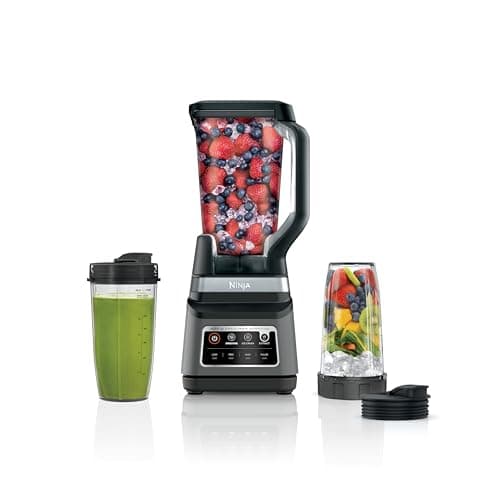
- Ninja Professional Plus DUO BN751— for the household that needs a 64 oz batch some days and a single cup the rest, and wants the only published continuous watt figure in the group.
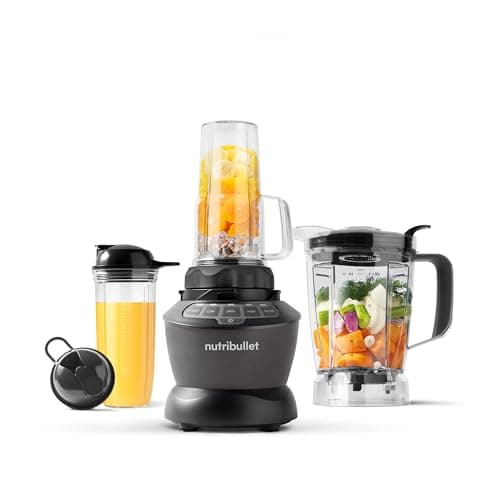
- NutriBullet 1200 W Blender Combo— the budget pick: for the same two jobs at the lowest price here, if you can live with an unqualified watt figure and a warranty that excludes the cups.
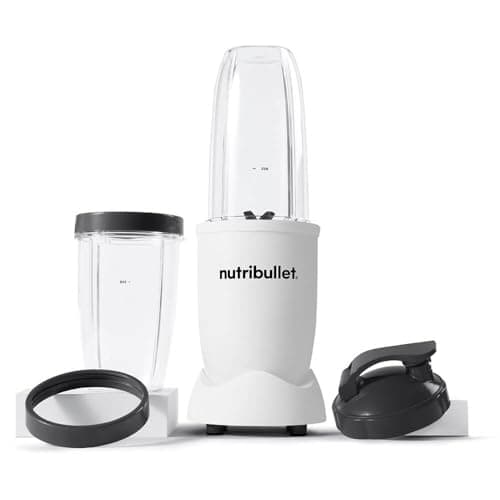
- NutriBullet Pro (900 W)— for one person who will never use a pitcher and wants two 32 oz cups so there is a clean one tomorrow.
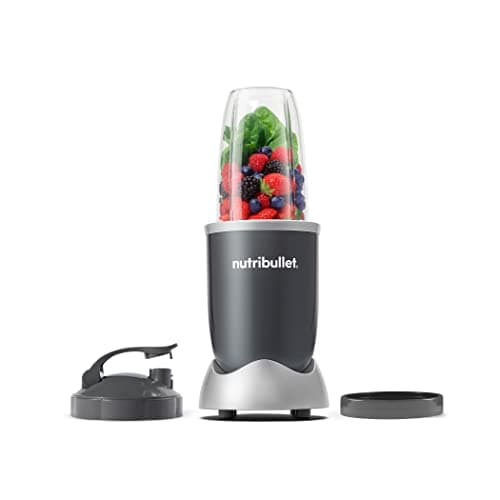
- NutriBullet 600— for a genuinely small drink: the only vessel in this whole catalog that goes down to 18 oz.
“Cup attachment” means two different products
The query hides a fork in the road. One kind of machine is a full-size blender whose base also accepts a single-serve cup — the BN751 and the NutriBullet Combo. The other kind is a bullet blender, where the cup is the only vessel there is — the NutriBullet Pro and the 600. They cost very different money and they fail in different ways, and a page that ranks them in one list without saying so is wasting your time.
If a pitcher is part of your week at all, buy from the first group. A bullet blender cannot make a jug of soup, a batch of dressing or a blender-full of smoothie for three, and refilling a 32 oz cup three times is a worse experience than owning a 64 oz jar. If a pitcher genuinely is not part of your week, buy from the second group and keep the difference — best bullet blenders ranks that format on its own terms, and bullet blender vs regular blender is the decision written out.
The cup is the part the warranty does not cover
This is the single most useful thing to know before you buy a cup machine, and it is in NutriBullet’s own warranty document: the one-year term excludes cups and accessories. The cup and its gasket are the parts that actually fail on this format — a cracked cup, a split seal, a lid that stops sealing — and they are the parts you are buying again out of pocket. Ninja writes one year on the BN751 as well, with no longer term on the cups.
That is not a reason to avoid the format. It is a reason to buy into an accessory ecosystem where replacement cups and blade assemblies are cheap and widely sold, which both NutriBullet and Ninja are. Blender warranties compared puts every term in this catalog side by side, and why is my blender leaking is about the gasket specifically, because that is where this format leaks from.
What the vessel sizes actually mean
Numbers you can check: the BN751 is a 72 oz pitcher rated to 64 oz of liquid plus single-serve cups that take a drinking lid. The NutriBullet Combo is a 64 oz pitcher plus a 32 oz cup and a 24 oz handled cup. The Pro ships two 32 oz cups and nothing smaller, which is a real limitation if you want a modest drink — you will be blending a small shake in a vessel built for a large one. The 600 ships a 24 oz tall cup and an 18 oz short cup, and that 18 oz short cup is the only properly single-serving vessel anywhere in this catalog.
Note what is missing: nobody in this group publishes a decibel figure, and NutriBullet publishes its watt figures with no peak-or-continuous qualifier at all. We quote what the makers print and label the gaps as gaps. Blender wattage explained covers why an unqualified watt number is worth less than it looks, and what size blender do I need works through capacity before power.
What these cost to run for a year
At 18.16¢ per kWh and this site’s standard assumption of 3 minutes a day, 365 days a year, the 1,200 W machines — the BN751 and the NutriBullet Combo — come out at about $3.98 a year each, the 900 W Pro at about $2.98, and the 600 at about $1.99. The spread across the whole group is less than a sandwich. Electricity is never the reason to pick one blender over another, and what a blender costs to run shows the arithmetic so you can substitute your own rate.
Which to skip
Skip the BN751 if the cups will live in a cupboard: it is the BN701 with cups added at a premium, on the same motor and the same one-year term, and BN701 vs BN751is that decision in full. Skip the NutriBullet Combo if you will only ever use the pitcher — a single-jar machine at the same money buys you a longer warranty. Skip the Pro if you want a small drink, because 32 oz is the smallest cup it has. Skip the 600 if you blend mostly frozen fruit with little liquid: 600 W in a narrow cup is where that load stalls.
What we have not done
We have not tested any of these machines. We own none of them and we have blended nothing. Every watt figure, vessel size and warranty term above is read off the manufacturer’s own product page or warranty document, all cited below. Where a maker publishes nothing — decibels on every machine here, a peak-or-continuous qualifier on the NutriBullets — this page says so rather than borrowing a retailer’s number. Prices come live from Amazon with the date they were checked.
How to choose a cup machine
1. Count the pitcher weeks before you count the watts
If you make a pitcher-sized batch even twice a month, the two combo machines are the only sensible buys and the bullet blenders are a false economy. If you never do, the combos are a pitcher you store and dust.
2. Check the smallest cup, not the biggest
The useful number on this format is the floor, not the ceiling. The 600’s 18 oz short cup is the only genuinely single-serving vessel here; the Pro’s smallest is 32 oz. Blending 10 oz of drink in a 32 oz cup works, but it is a lot of cup to wash.
3. Assume you will buy a cup again
NutriBullet’s warranty excludes cups and accessories in writing. Price the machine plus one replacement cup and gasket, and favor the ecosystem where those parts are easy to find. Both brands here qualify; that is part of why they are the two brands here.
4. Never put hot liquid in a sealed cup
A bullet cup screws shut onto a blade assembly, which makes it a pressure vessel. The manuals say not to blend hot liquid in one and they mean it. Blending hot liquids safely is the long version, and can personal blenders handle hot liquids is the same question for this exact format.
5. Expect to stop and scrape on thick loads
None of these four ships a tamper. A thick, low-liquid mixture in a big pitcher has to be managed by stopping, scraping and restarting. What a blender tamper is used for explains why that tool exists, and best high-power blenders is where the machines that include one are ranked.
6. Count the parts you will store
A combo machine is a base, a pitcher, two cups, two lids and two blade assemblies. That is a cupboard decision as much as a kitchen one. Best blenders for small kitchens is the storage question across the catalog.